Tanabe Chikuunsai IV
Description
TANABE CHIKUUNSAI IV
Born in 1973 in Sakai, Japan
Galerie Mingei represents Tanabe Chikuunsai IV in France.
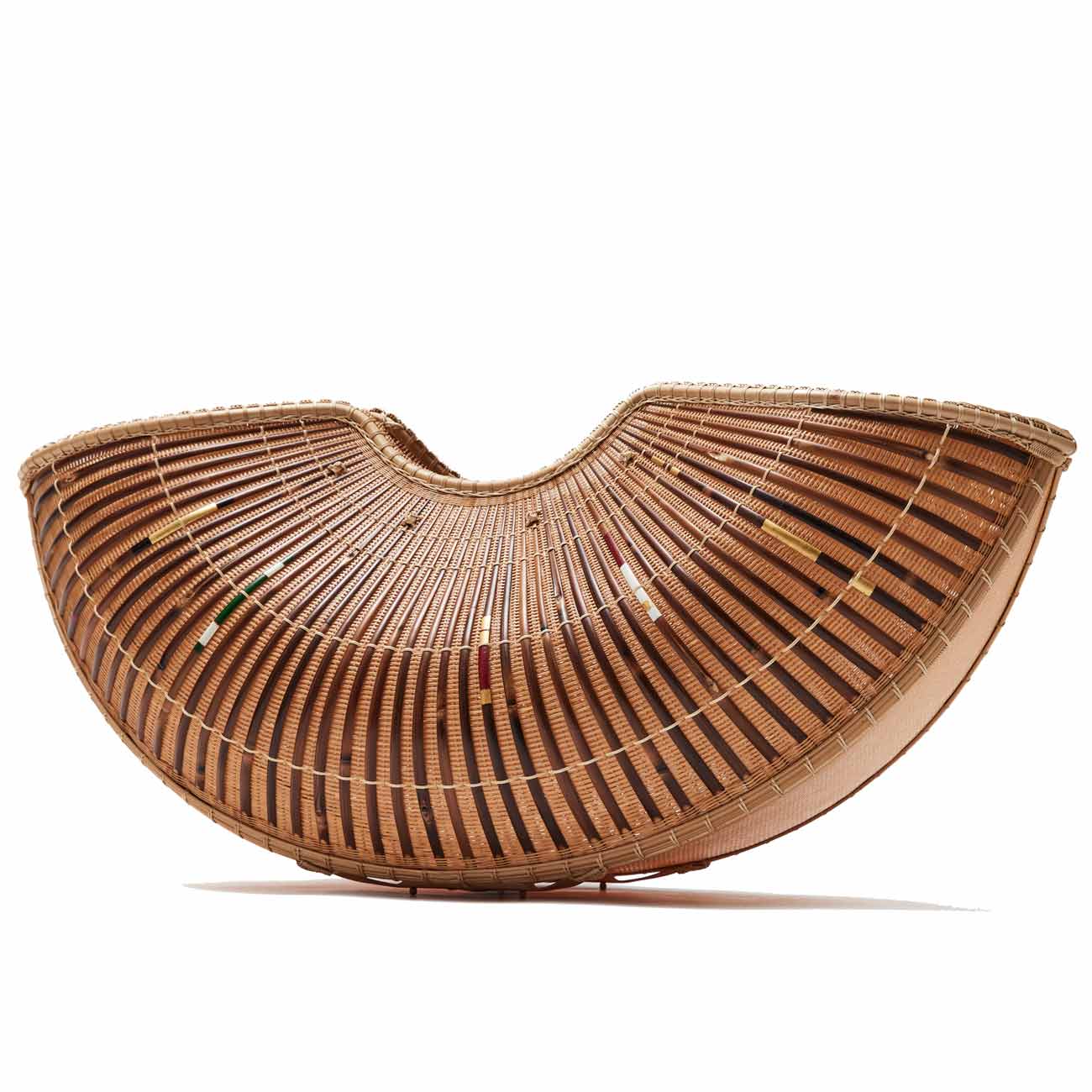
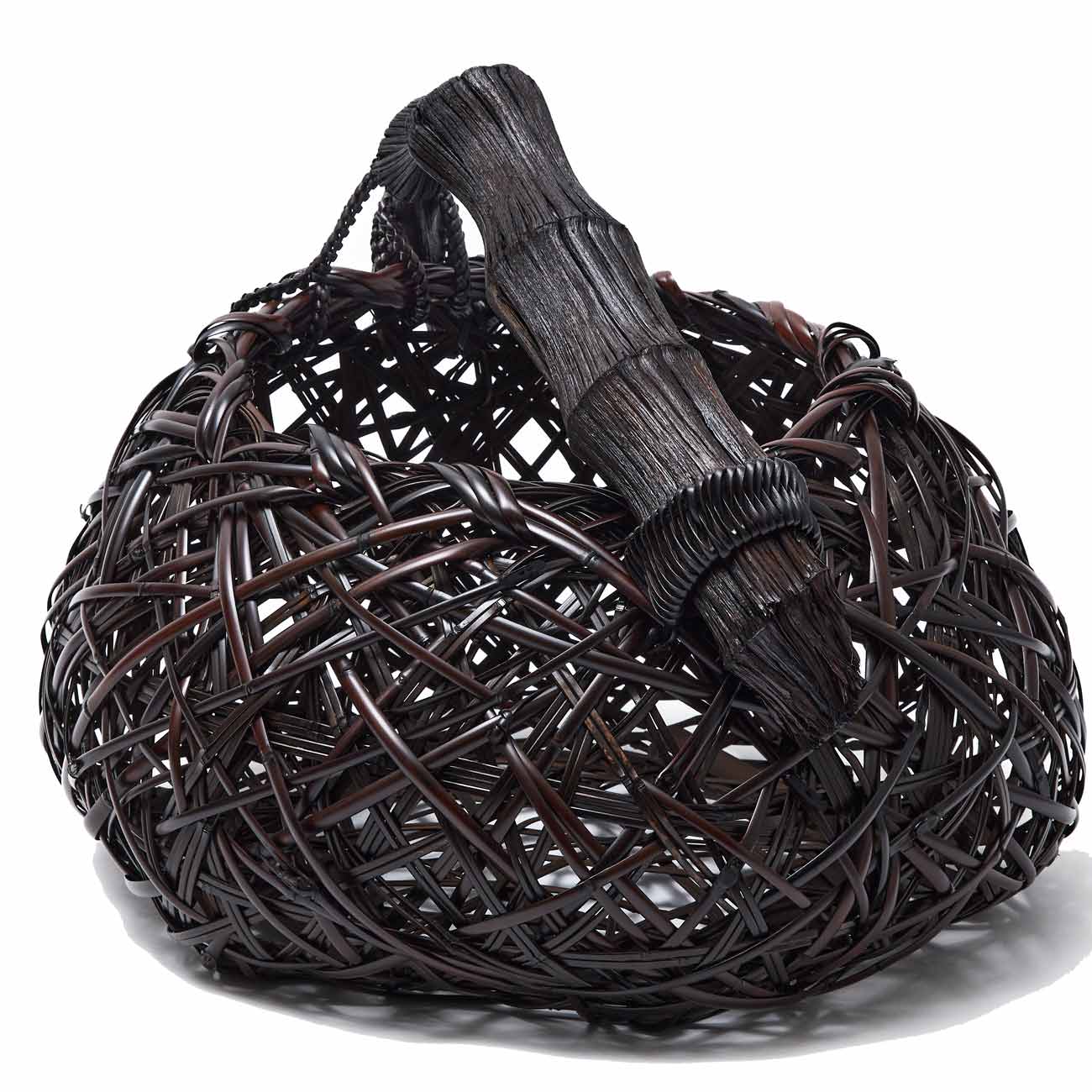
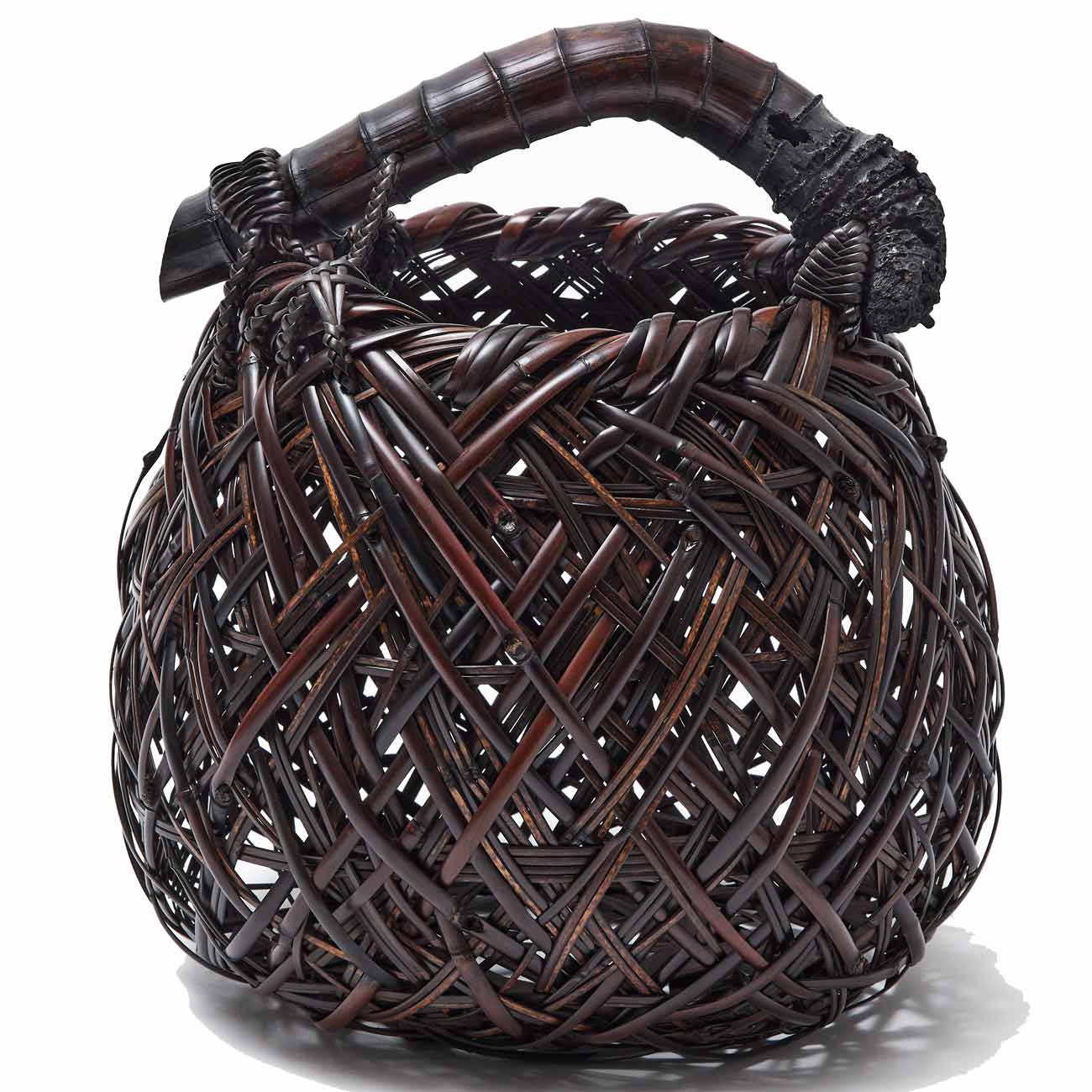
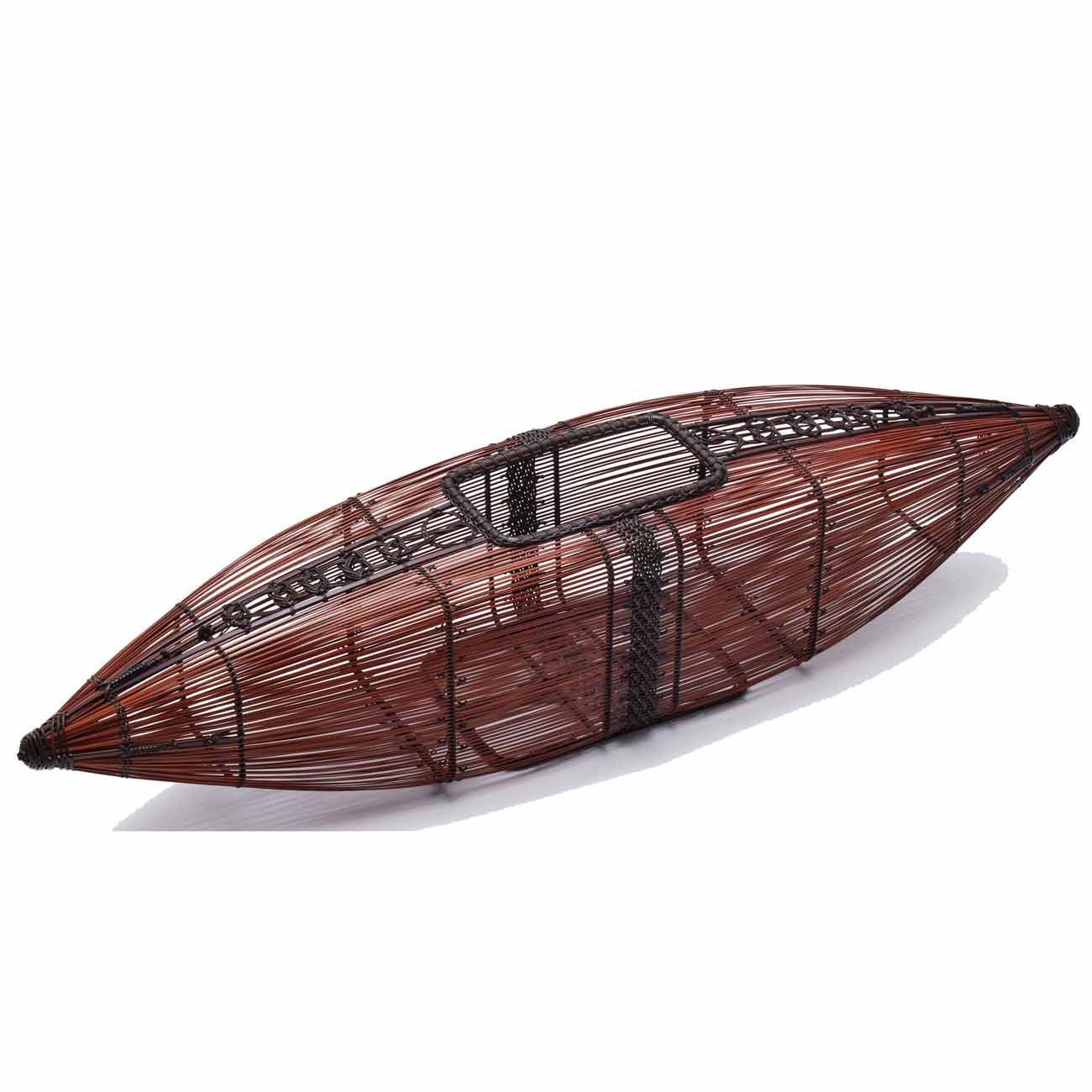
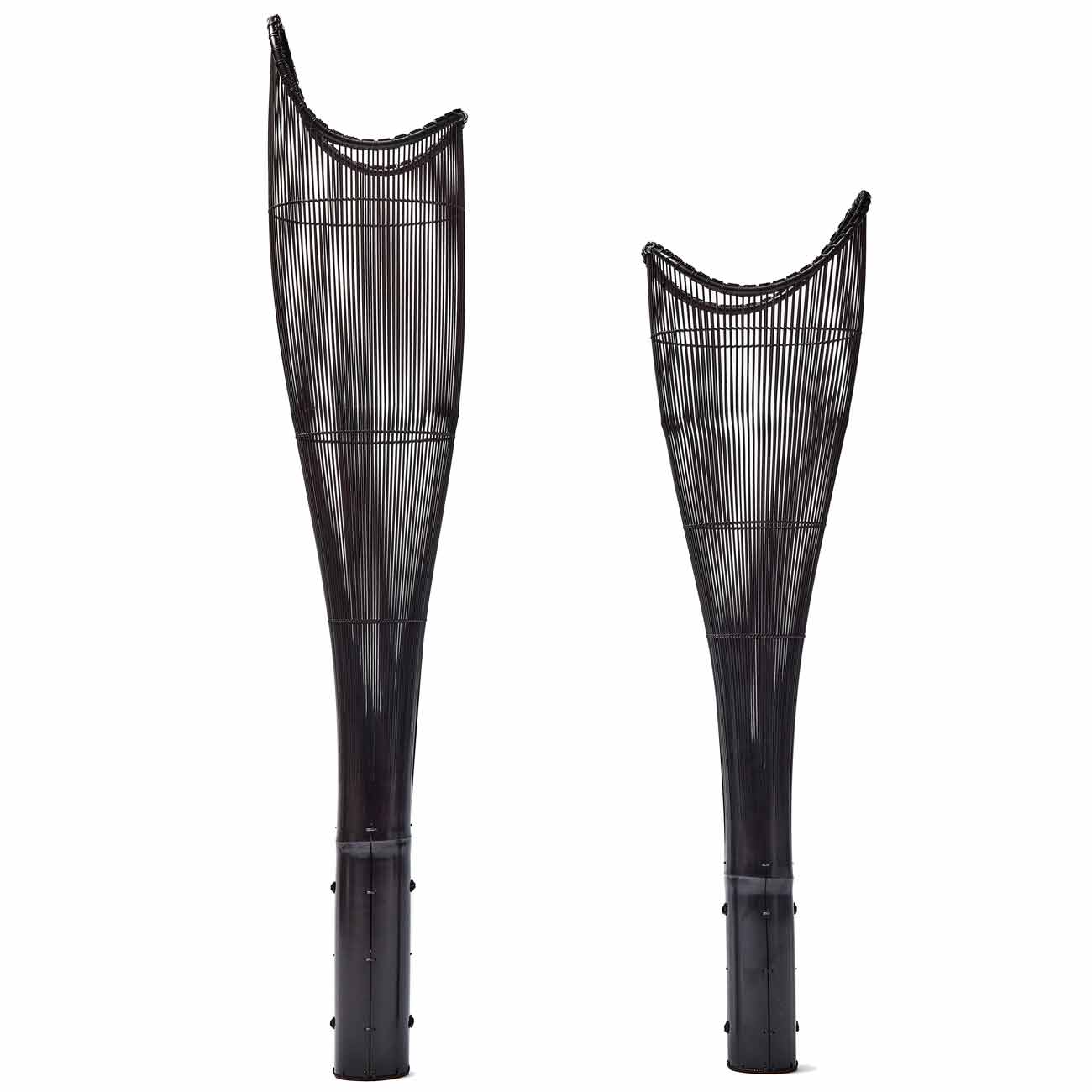
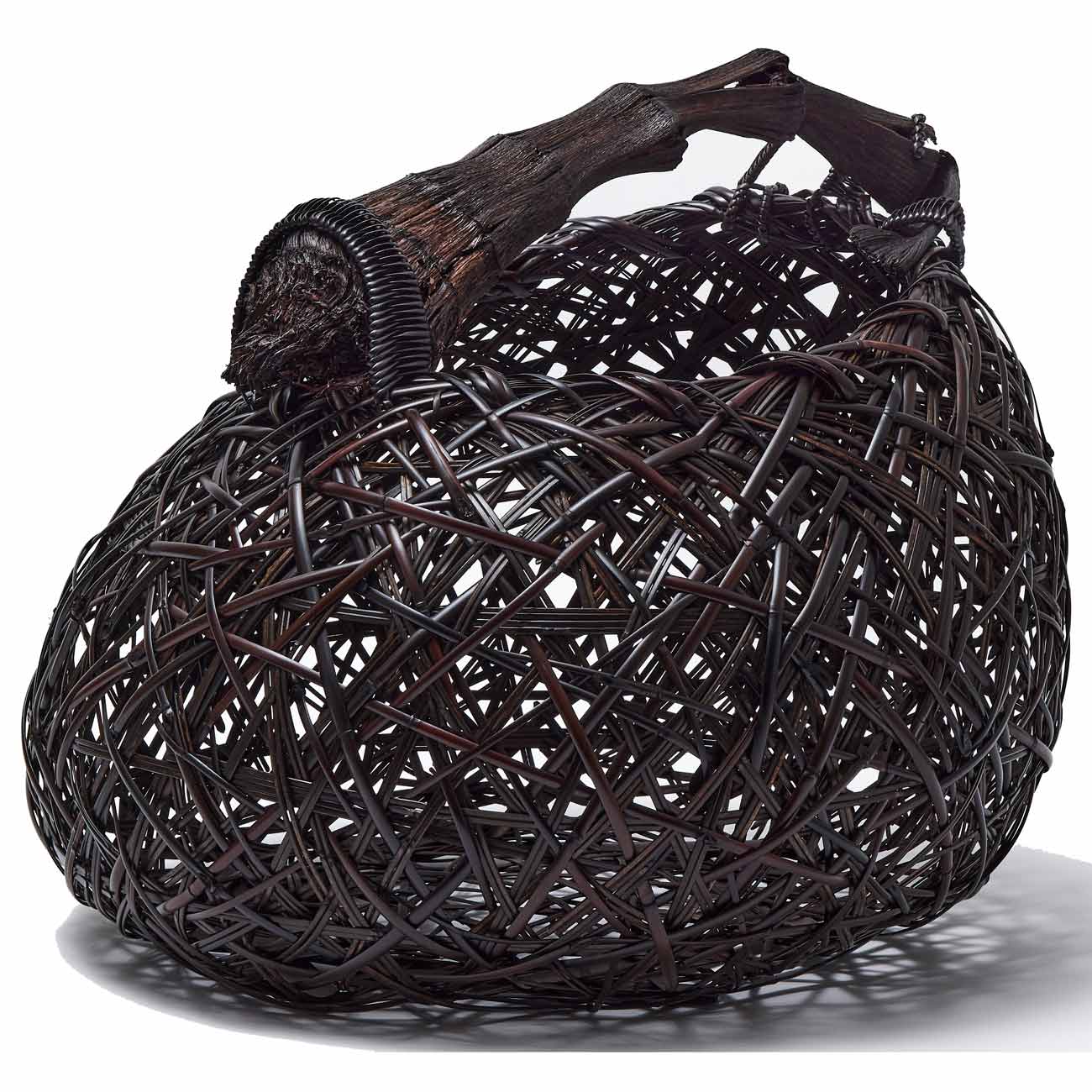
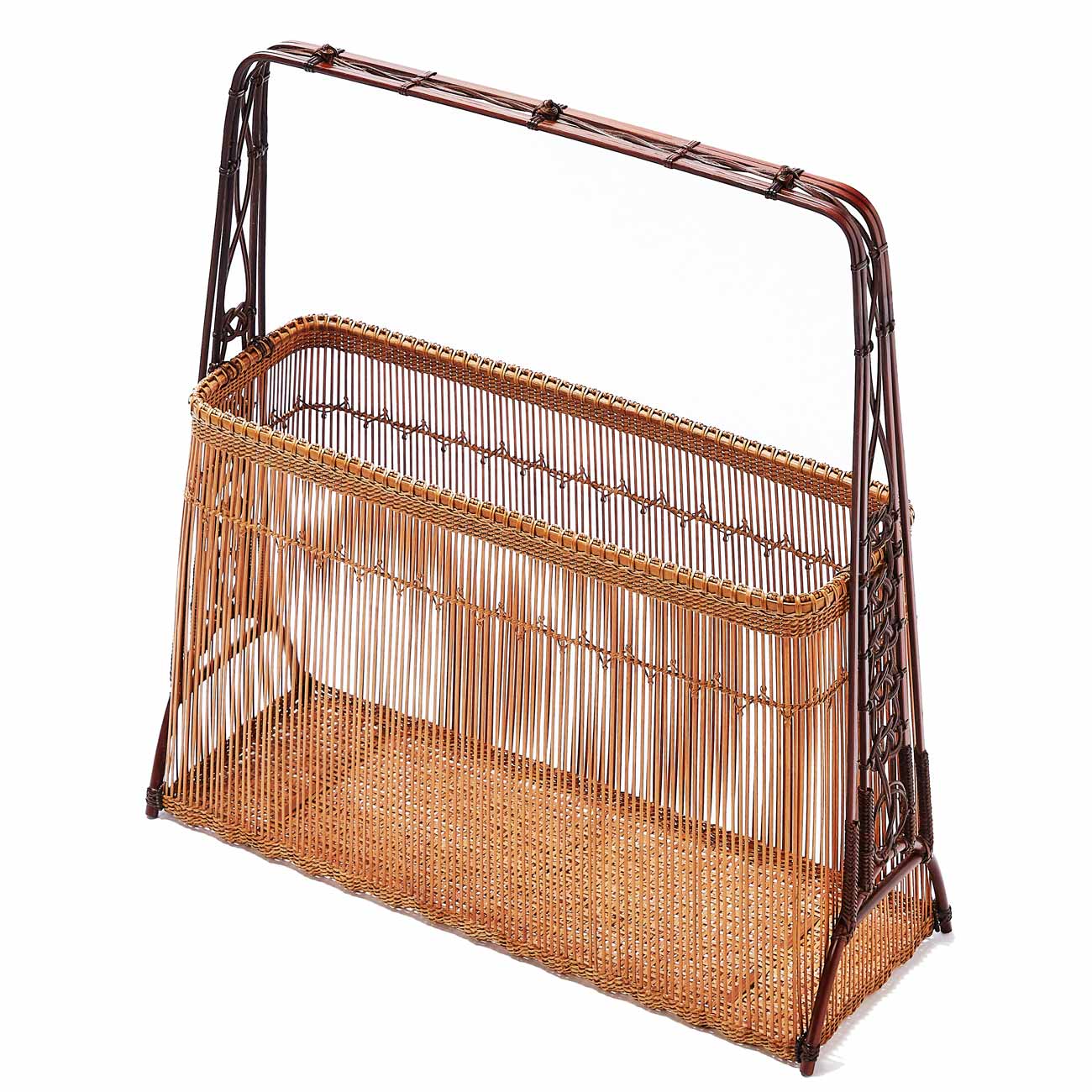
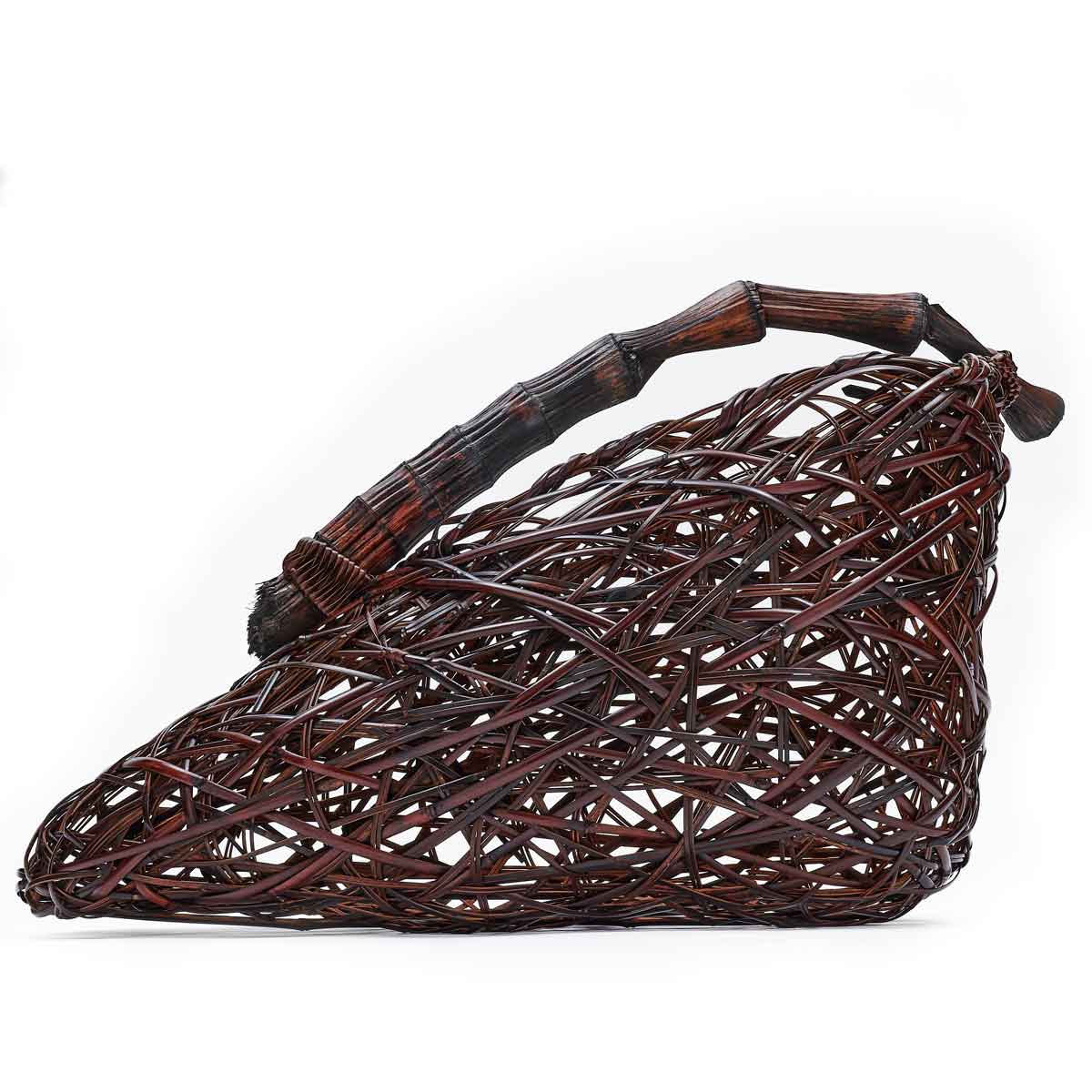
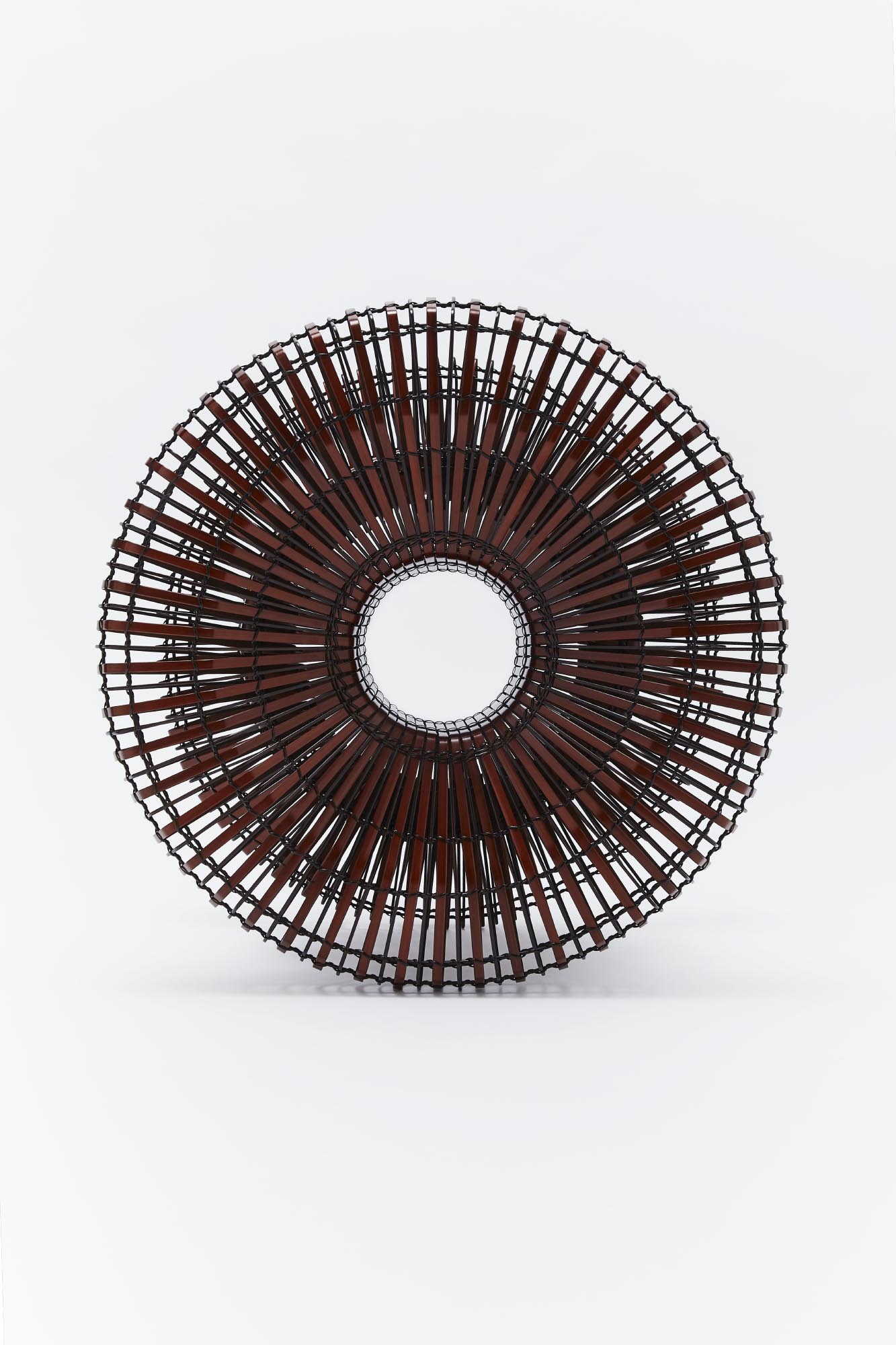
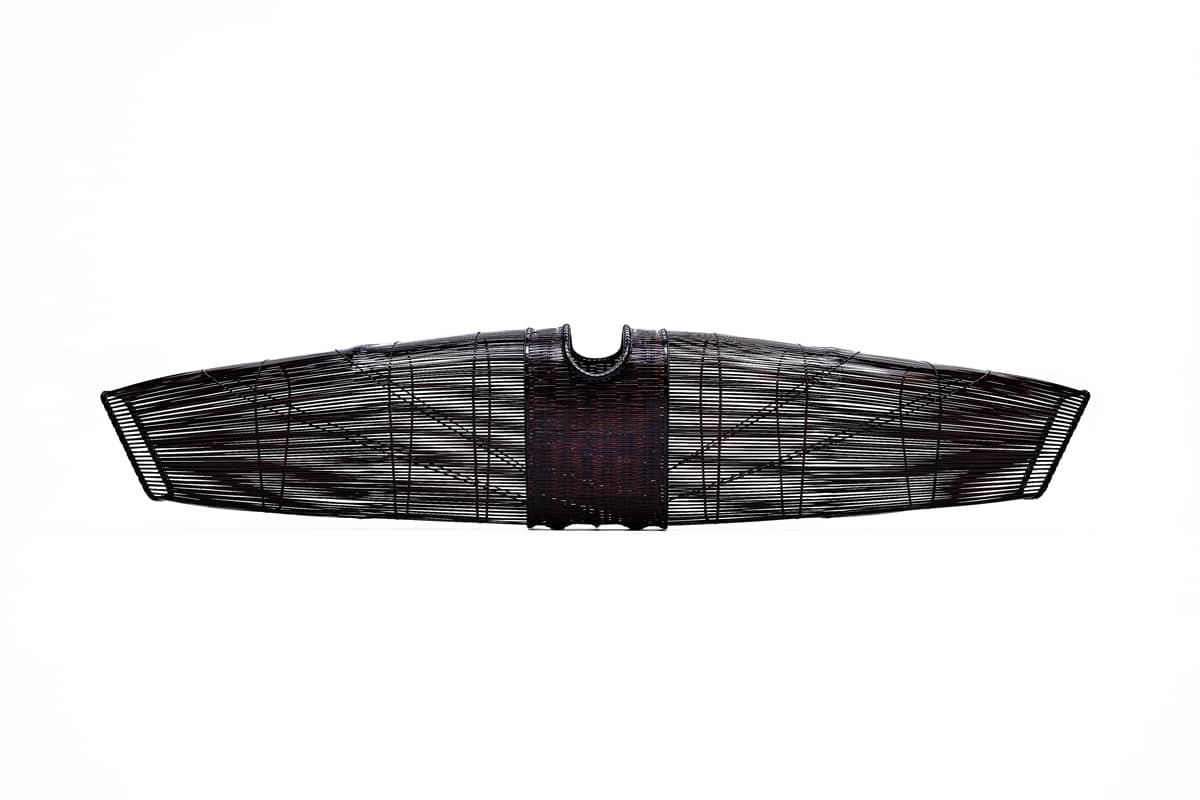
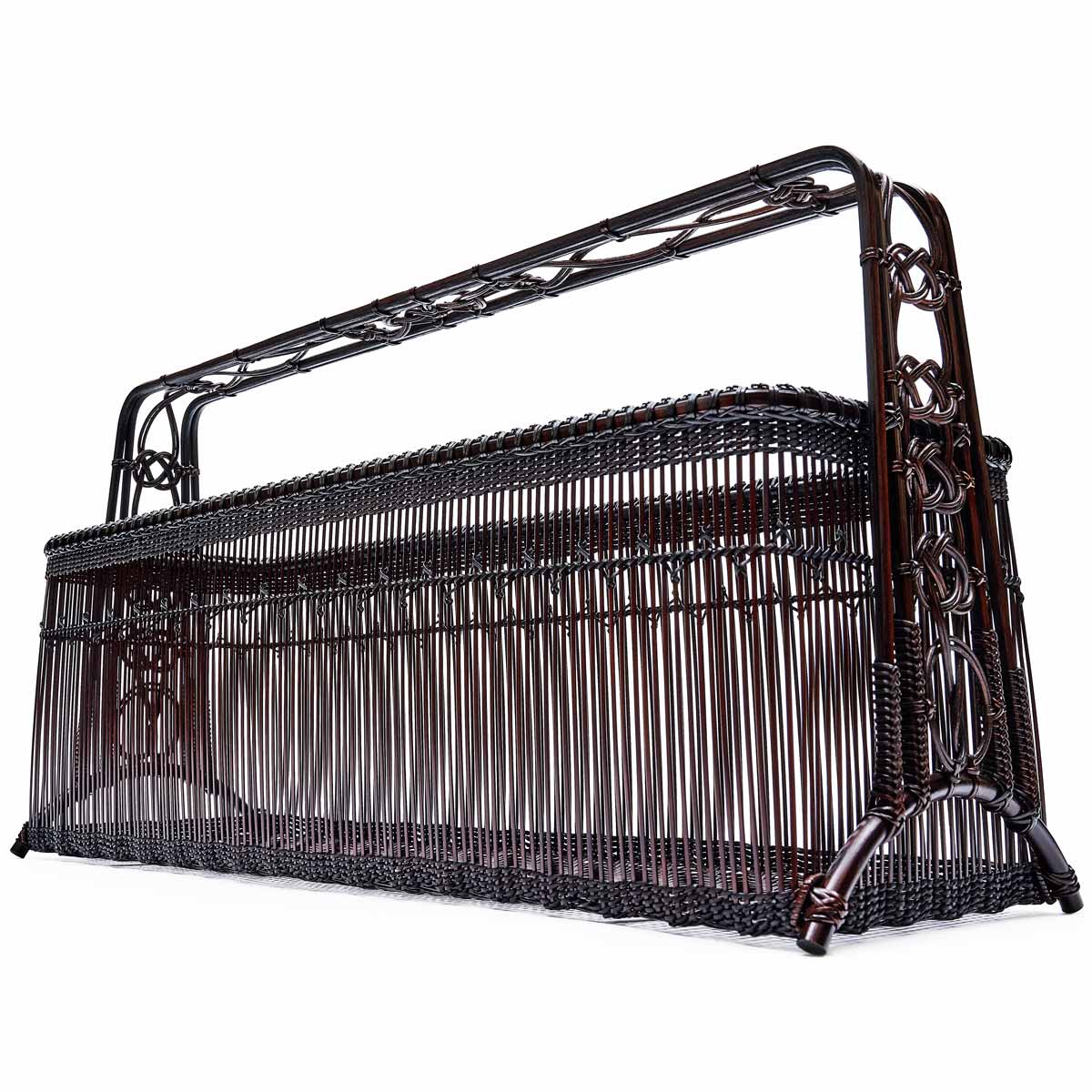
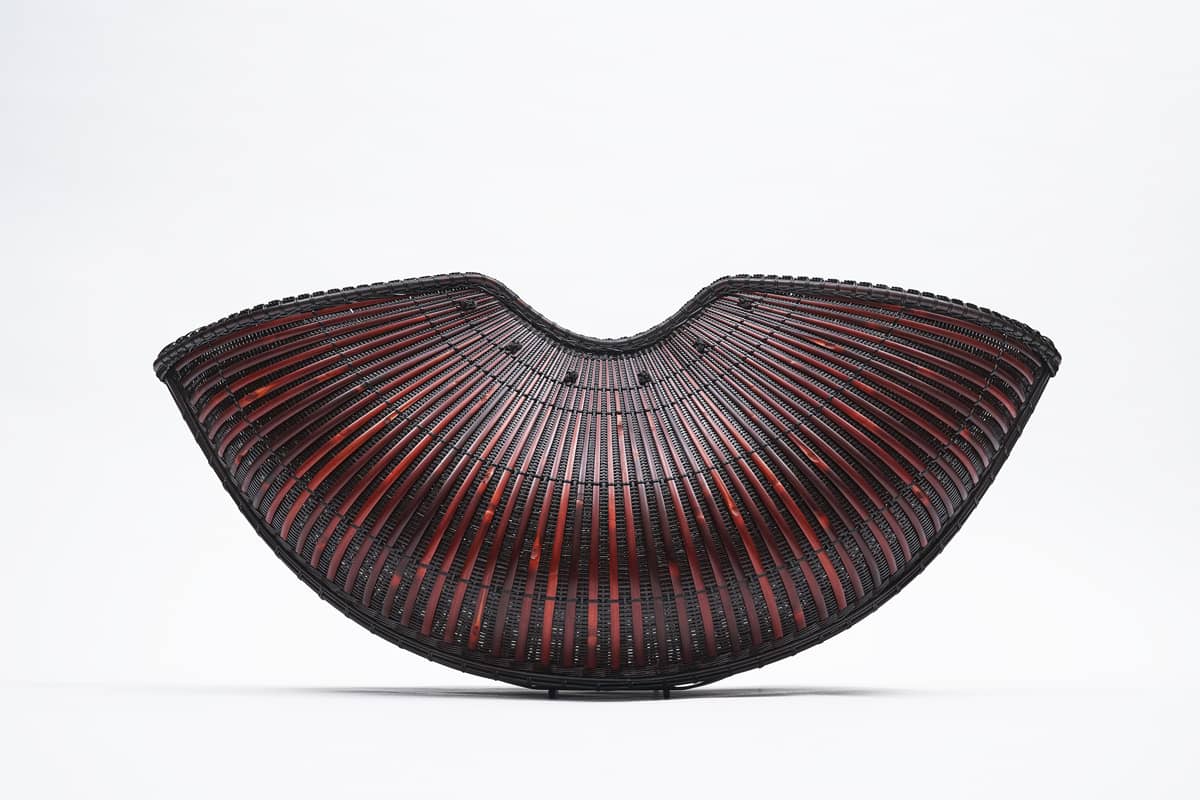
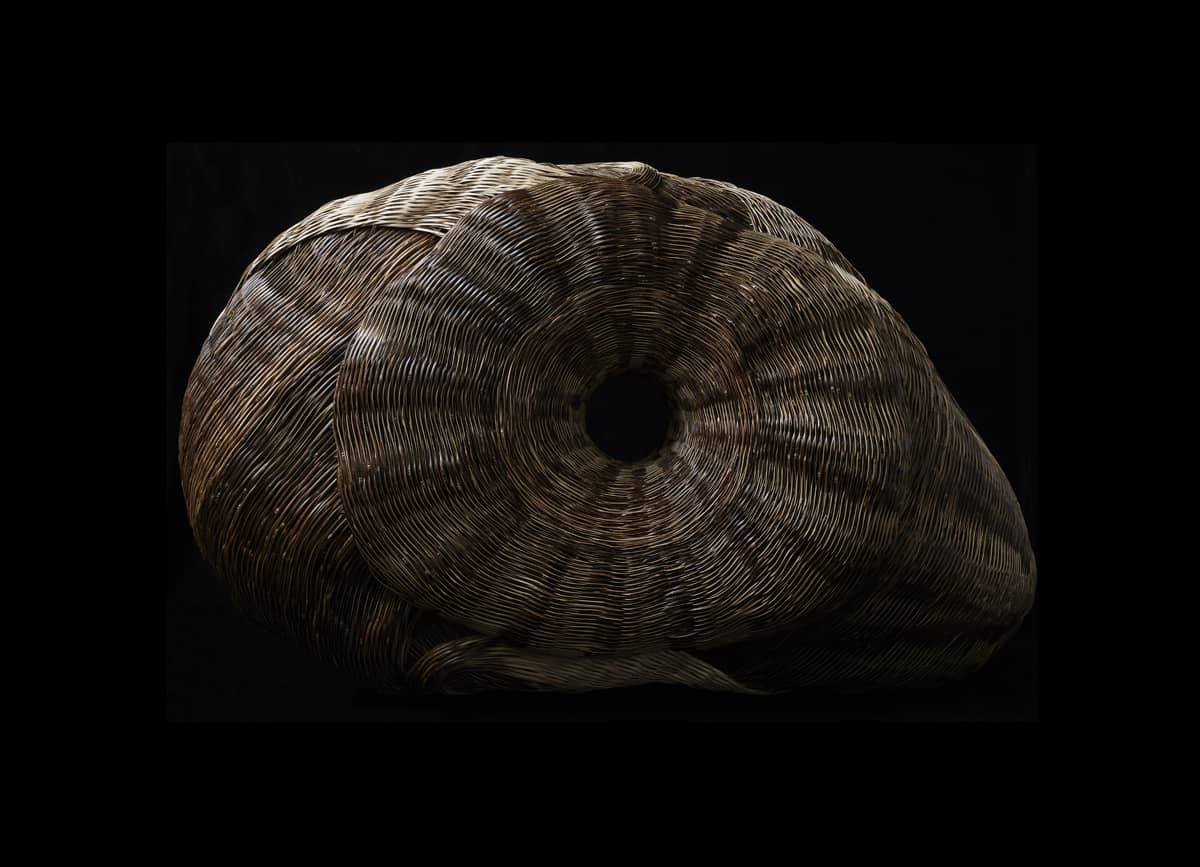
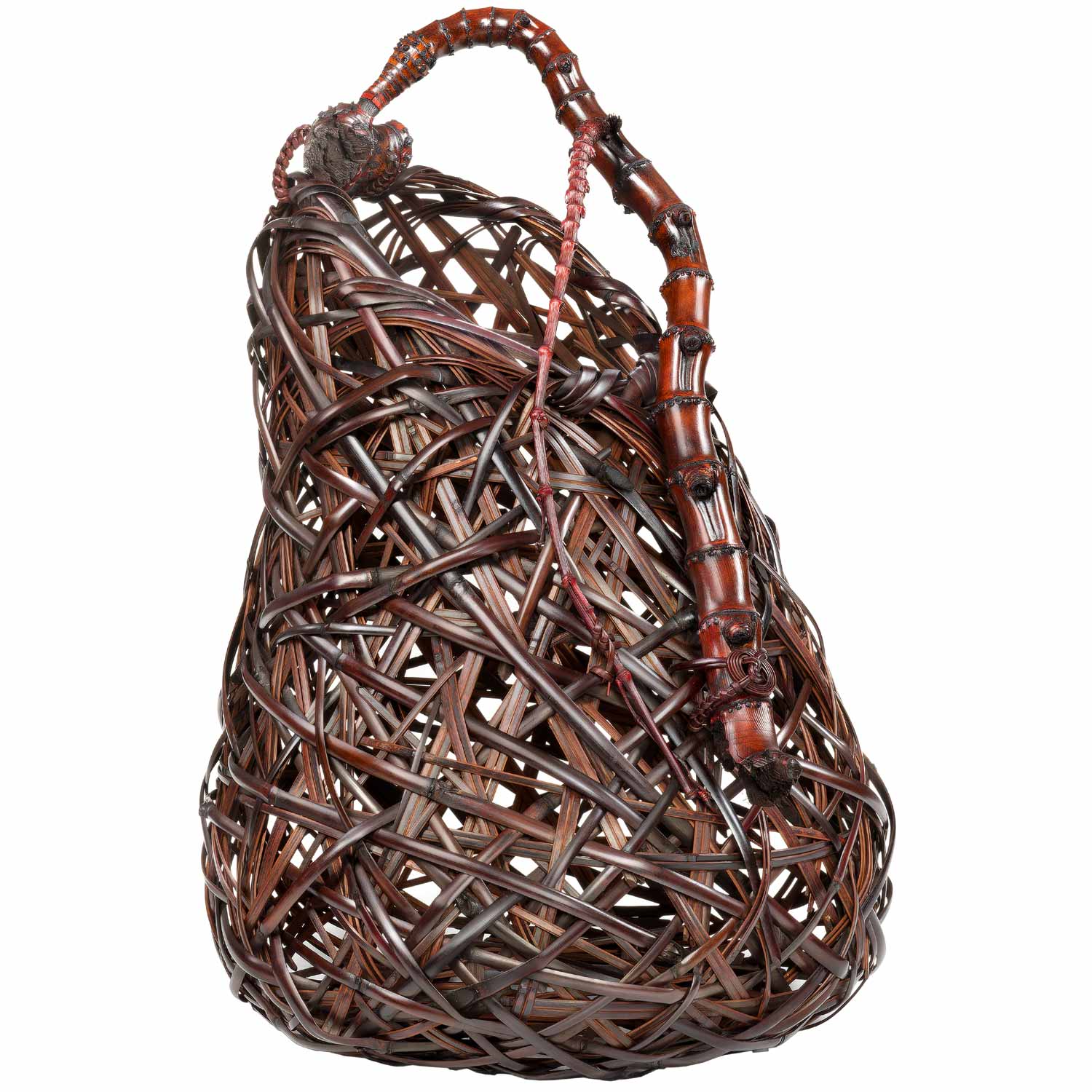
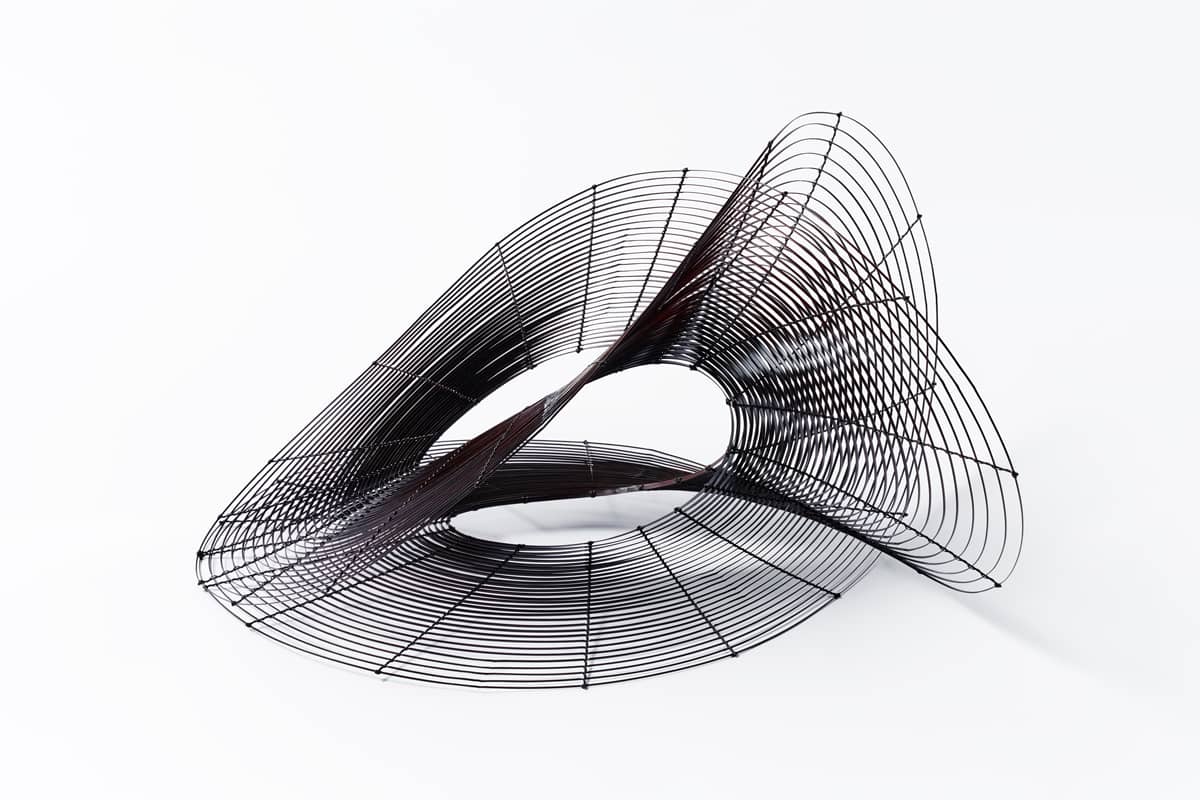
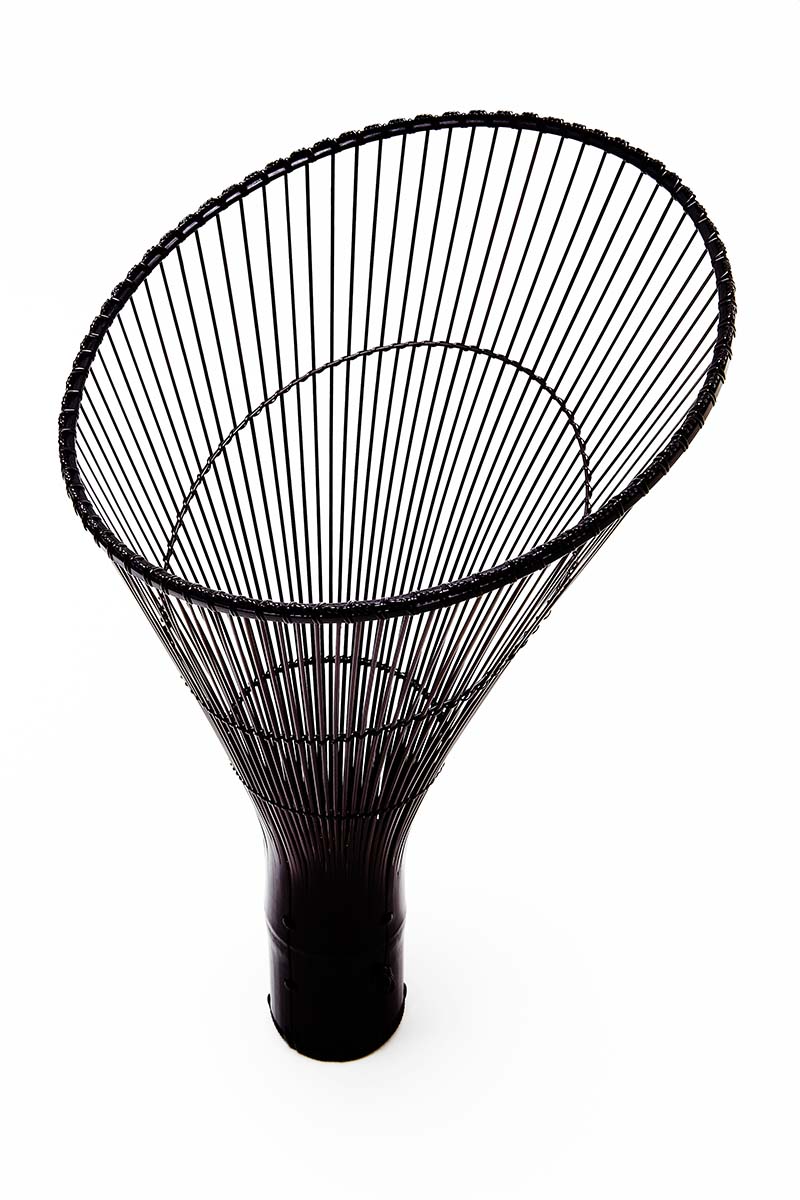
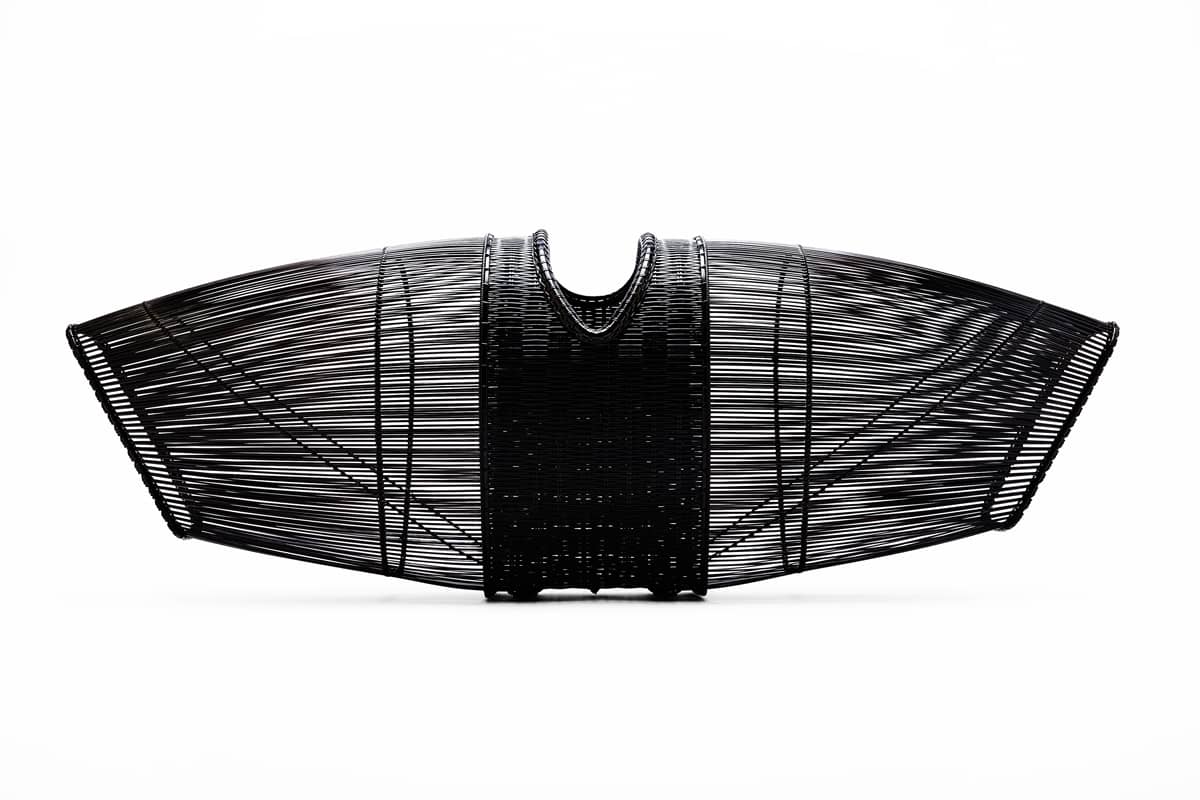
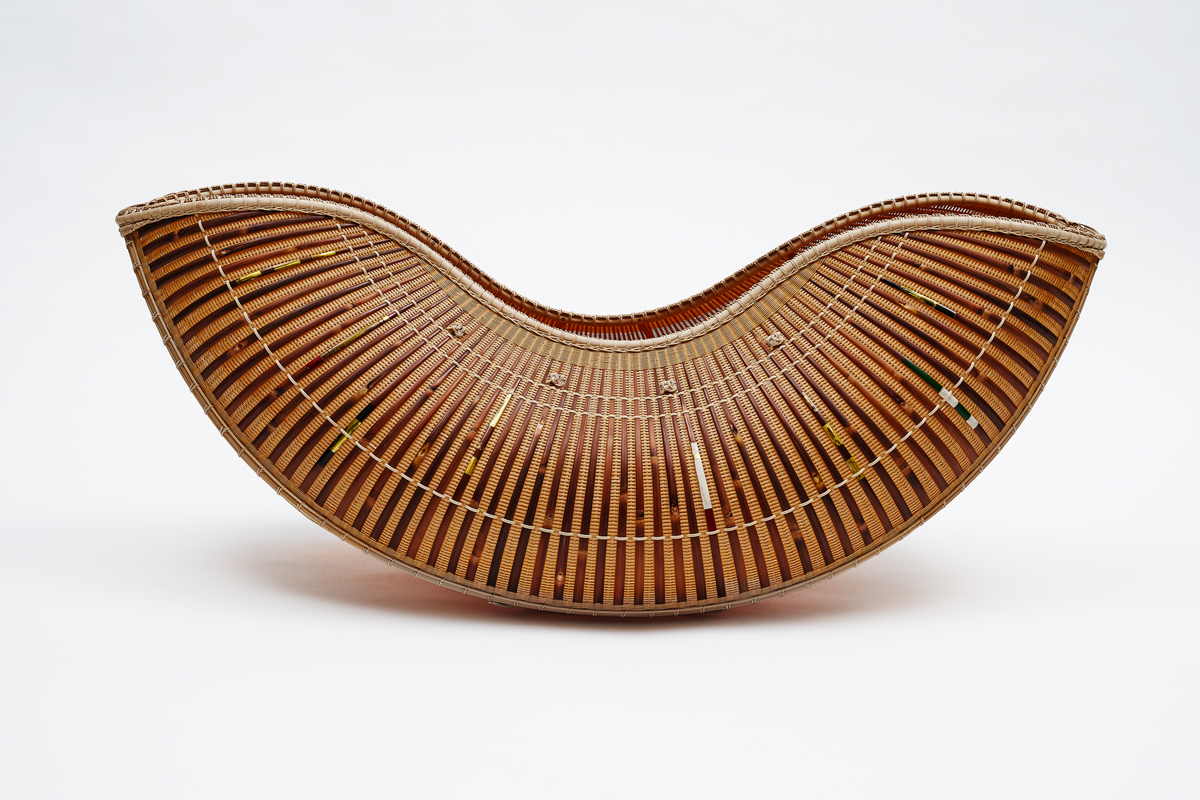
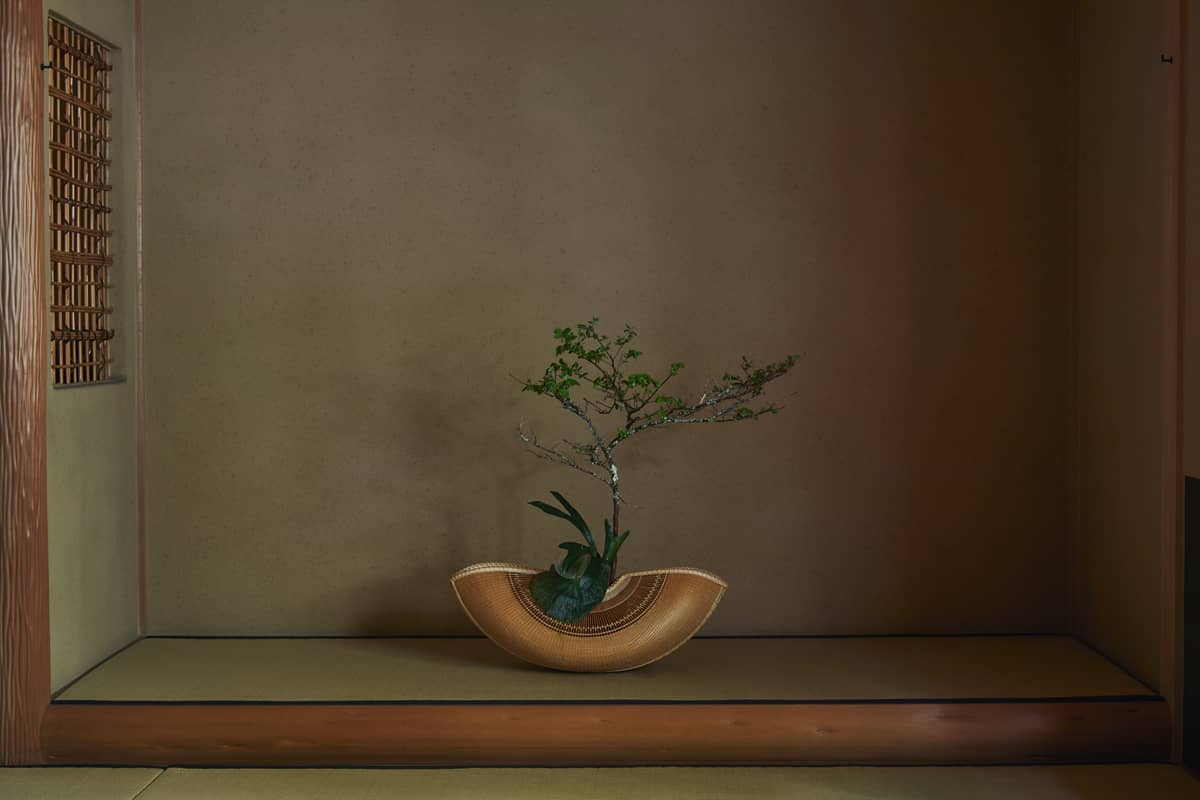
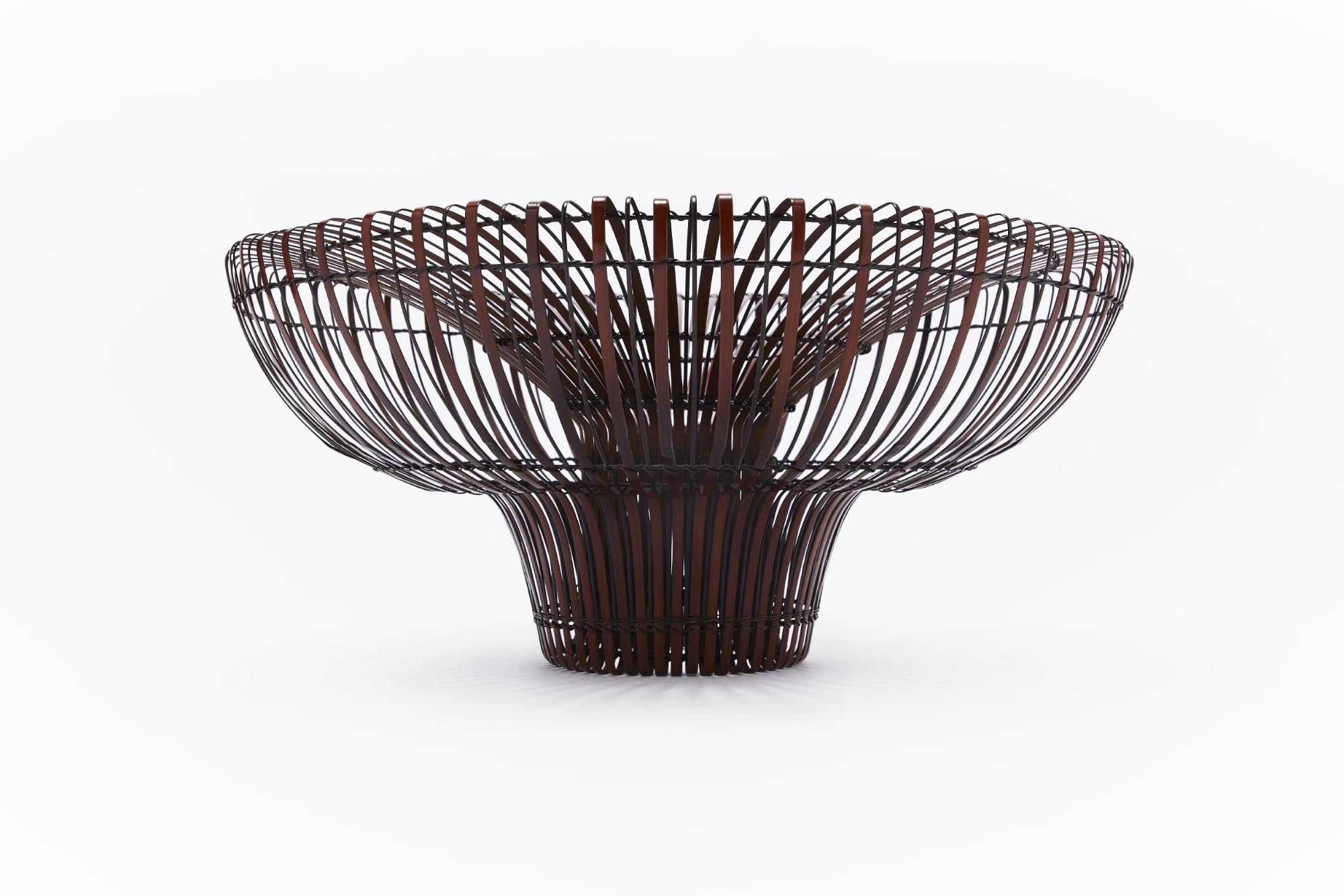
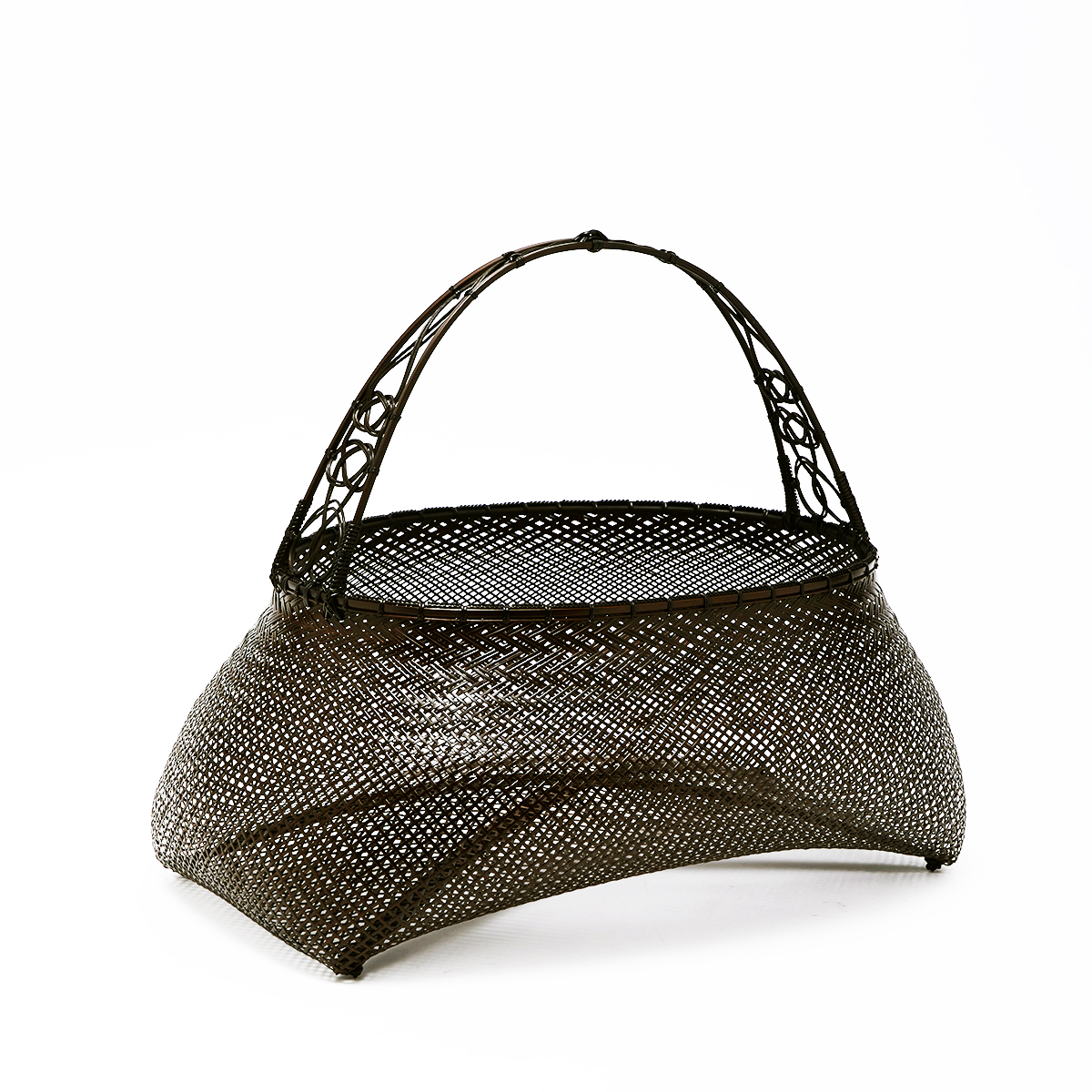
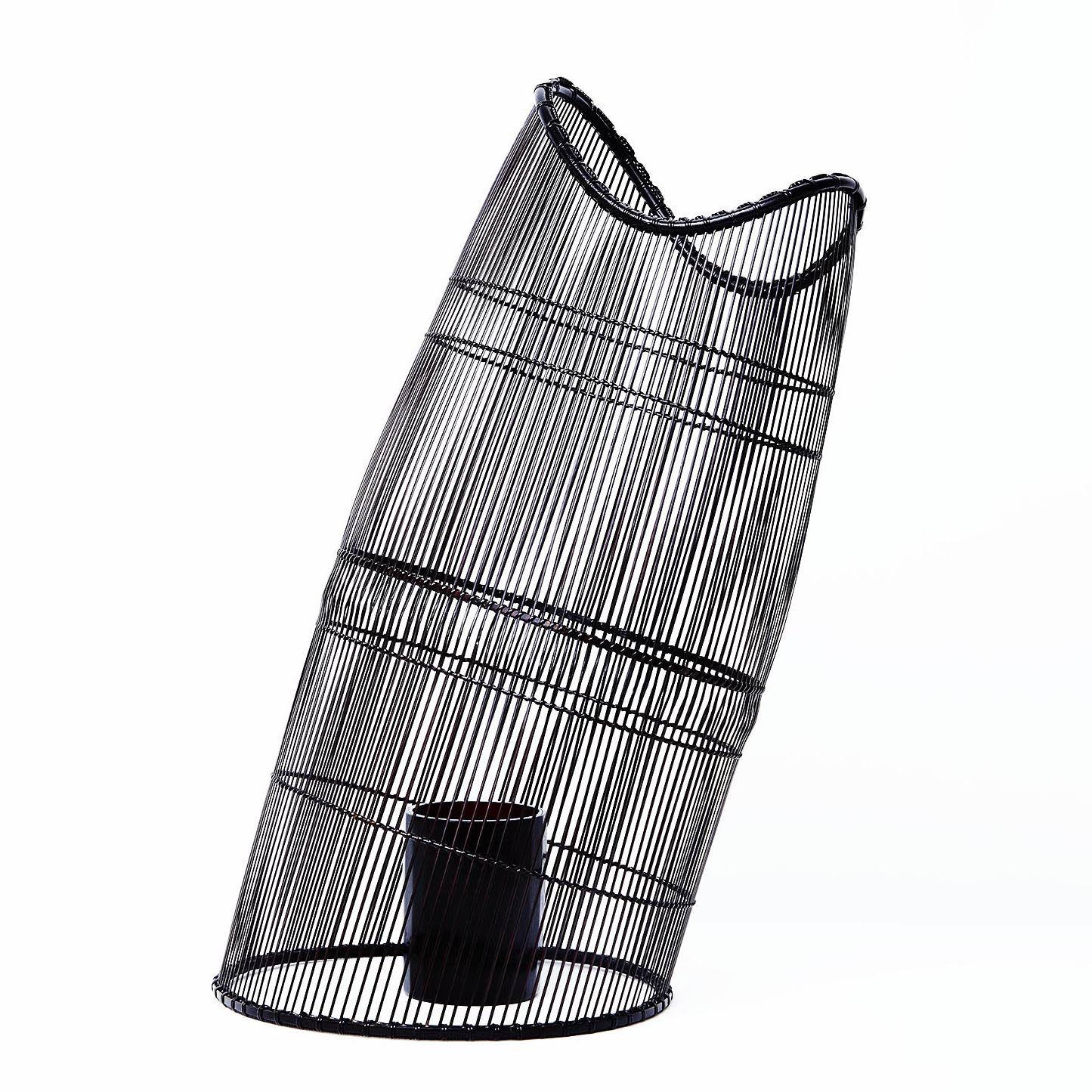
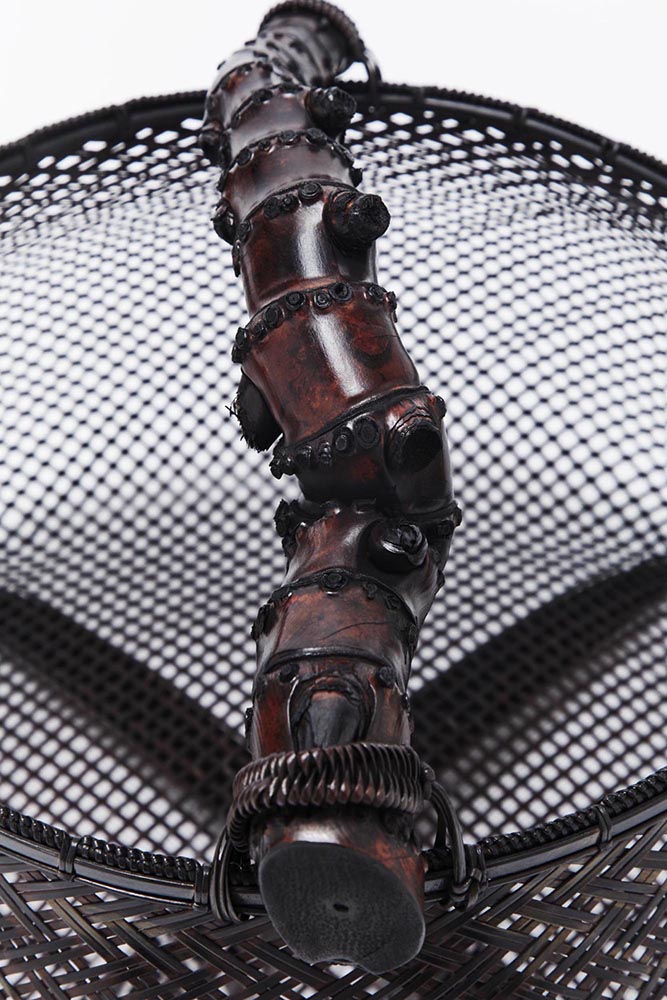
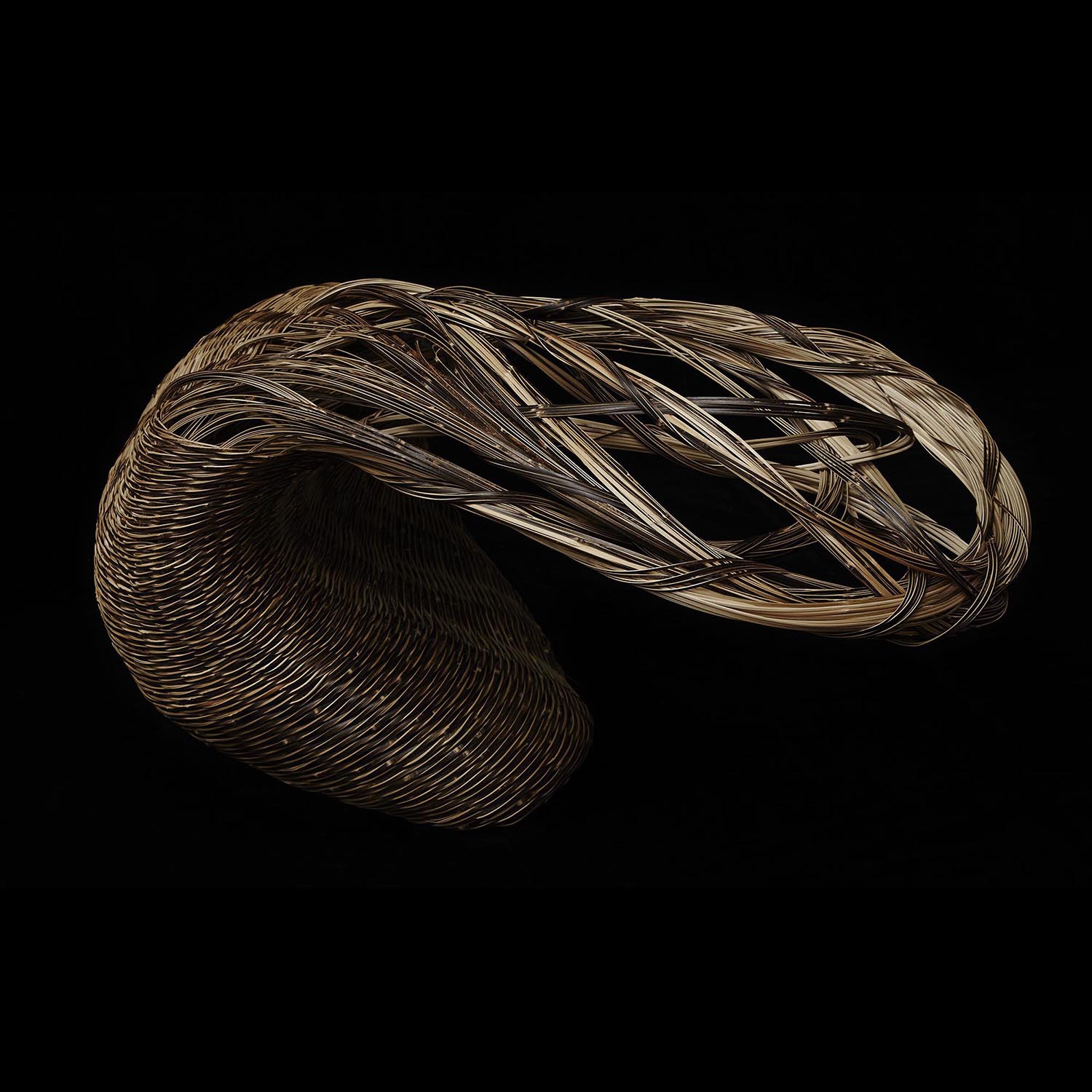
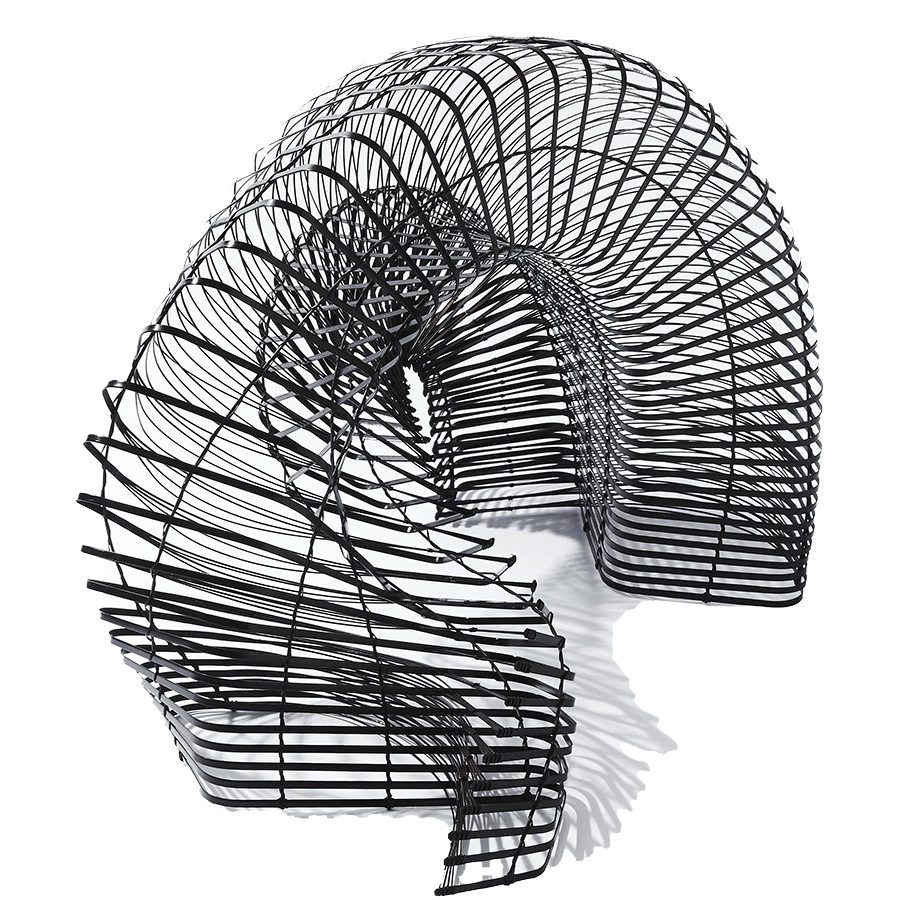
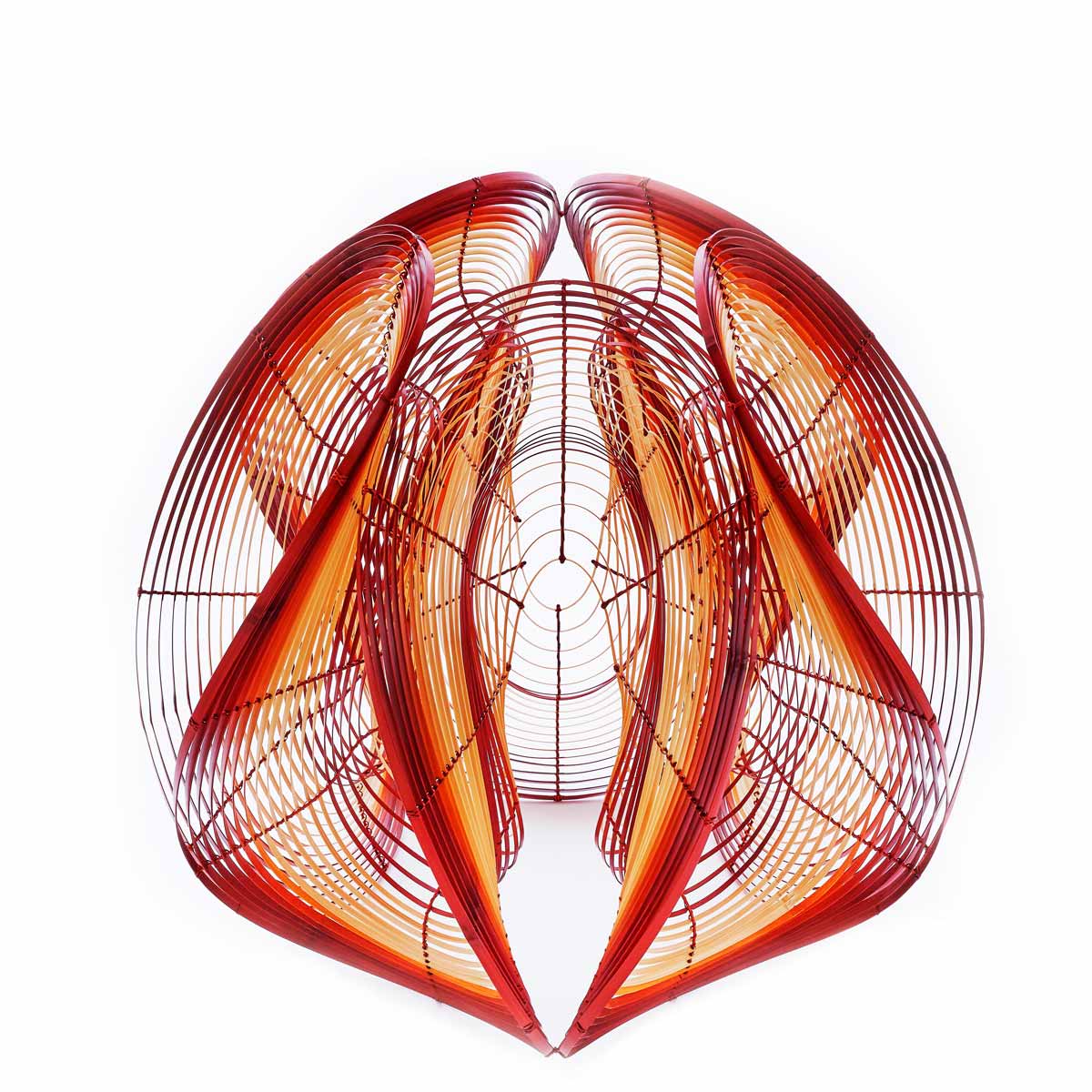
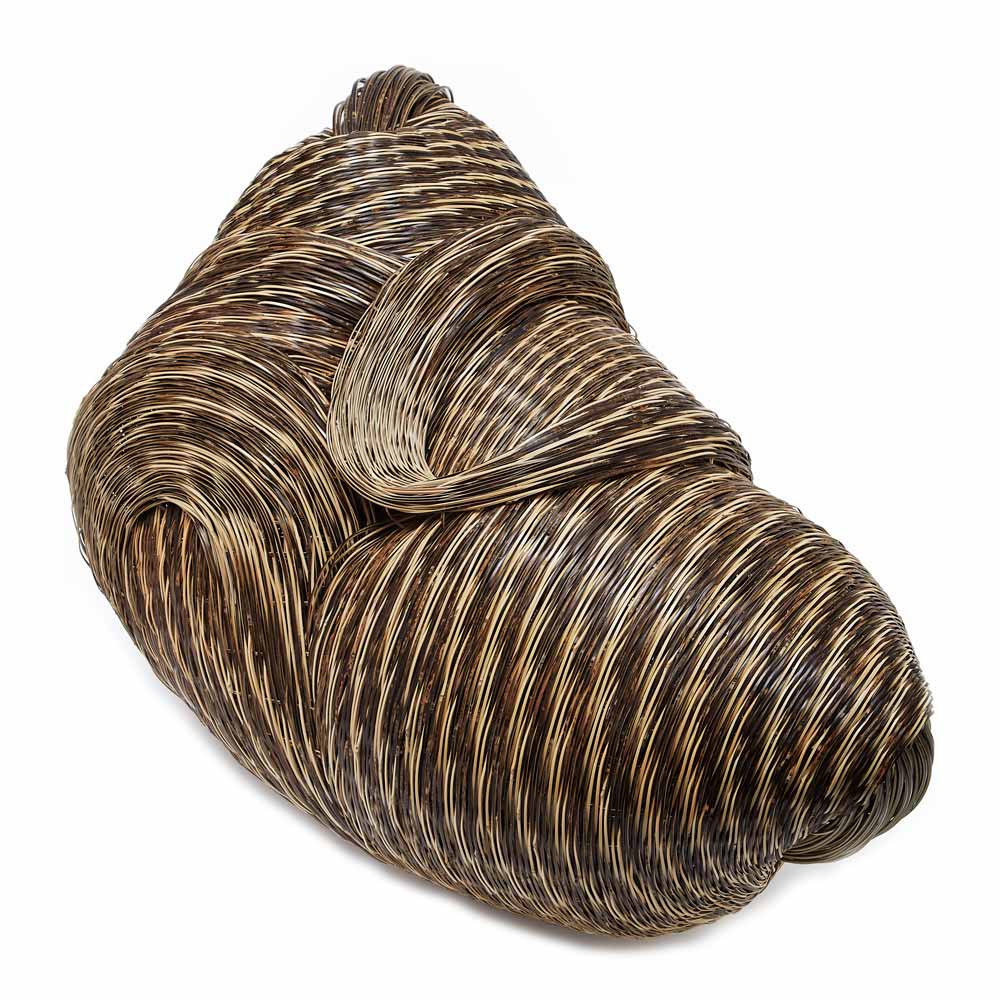
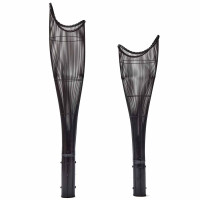
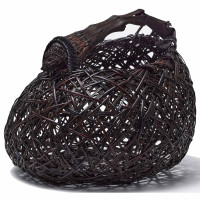
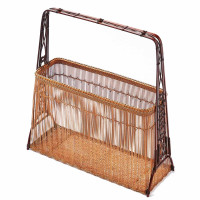
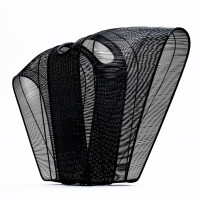
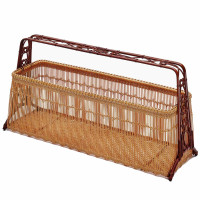
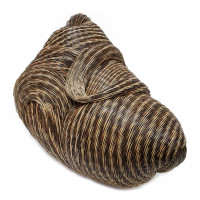
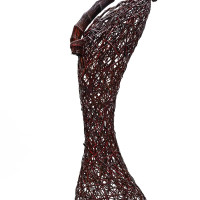
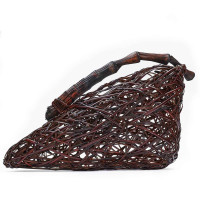
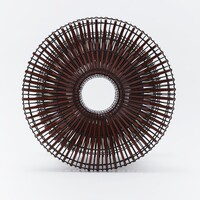
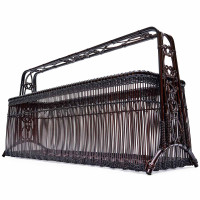
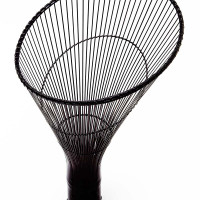
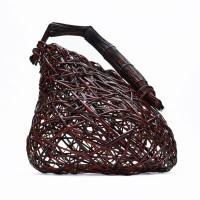
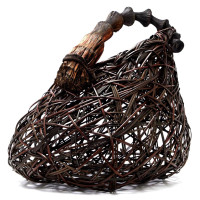
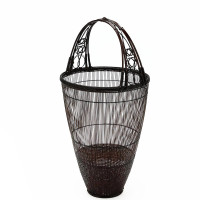
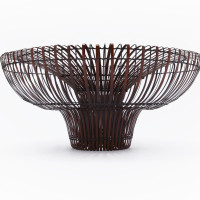
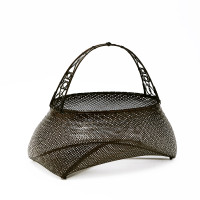
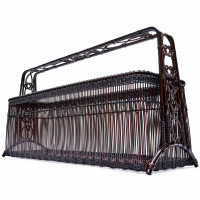
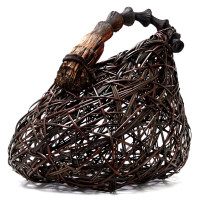
Born into a distinguished lineage of Japanese bamboo artists, Tanabe Chikuunsai IV plays a major role in the evolution of bamboo art in the 21st century. Heir to techniques and knowledge passed down through four generations, he has developed a body of work that combines mastery of traditional methods with a distinctly contemporary sculptural vision. His creations, ranging from flower baskets intended for ikebana to monumental installations, explore the structural properties of bamboo, its flexibility, strength, and capacity to give rise to forms of remarkable complexity.
Born Tanabe Takeo in 1973, he grew up in Sakai, near Osaka, in a family whose history is closely intertwined with that of Japanese bamboo art. His great-grandfather, Tanabe Chikuunsai I (1877–1937), established an artistic dynasty in which each successive generation has contributed to the development of a distinctive formal language. Initially known by the artist name Shōchiku, meaning "little bamboo," Tanabe Takeo assumed the name Chikuunsai IV, meaning "bamboo cloud," in April 2017, succeeding his father, Tanabe Chikuunsai III (1940–2014). Since 1915, the family has maintained a privileged relationship with the Takashimaya department stores, where its works have been regularly exhibited.
Introduced to bamboo art by his father at an early age, he continued his training at Osaka City Crafts High School before studying sculpture at Tokyo University of the Arts, graduating in 1999. In 2001, he completed his education at the Ōita Prefectural Bamboo Craft Training Center. This dual background, combining traditional training with an academic education in sculpture, has played a decisive role in the development of his artistic practice.
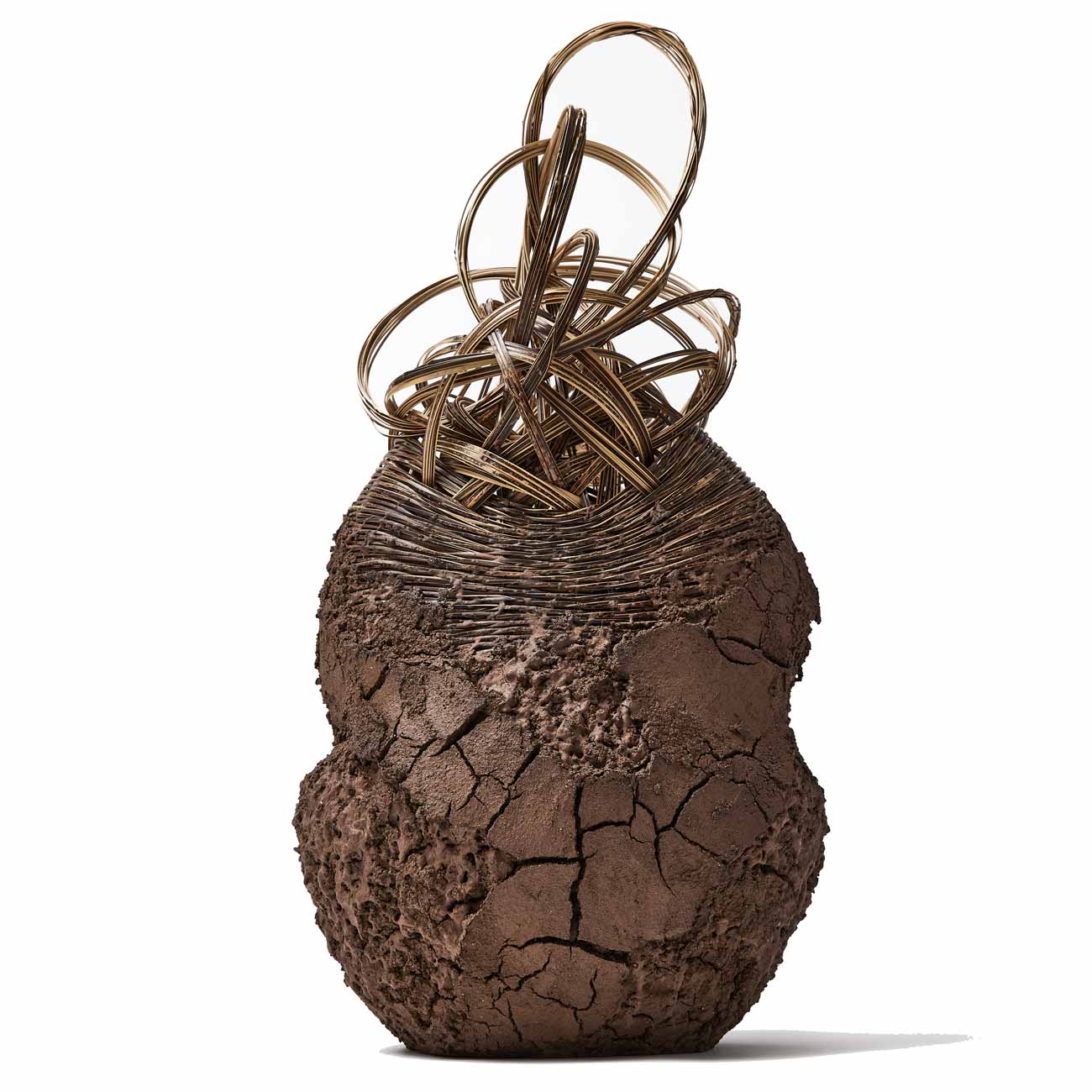
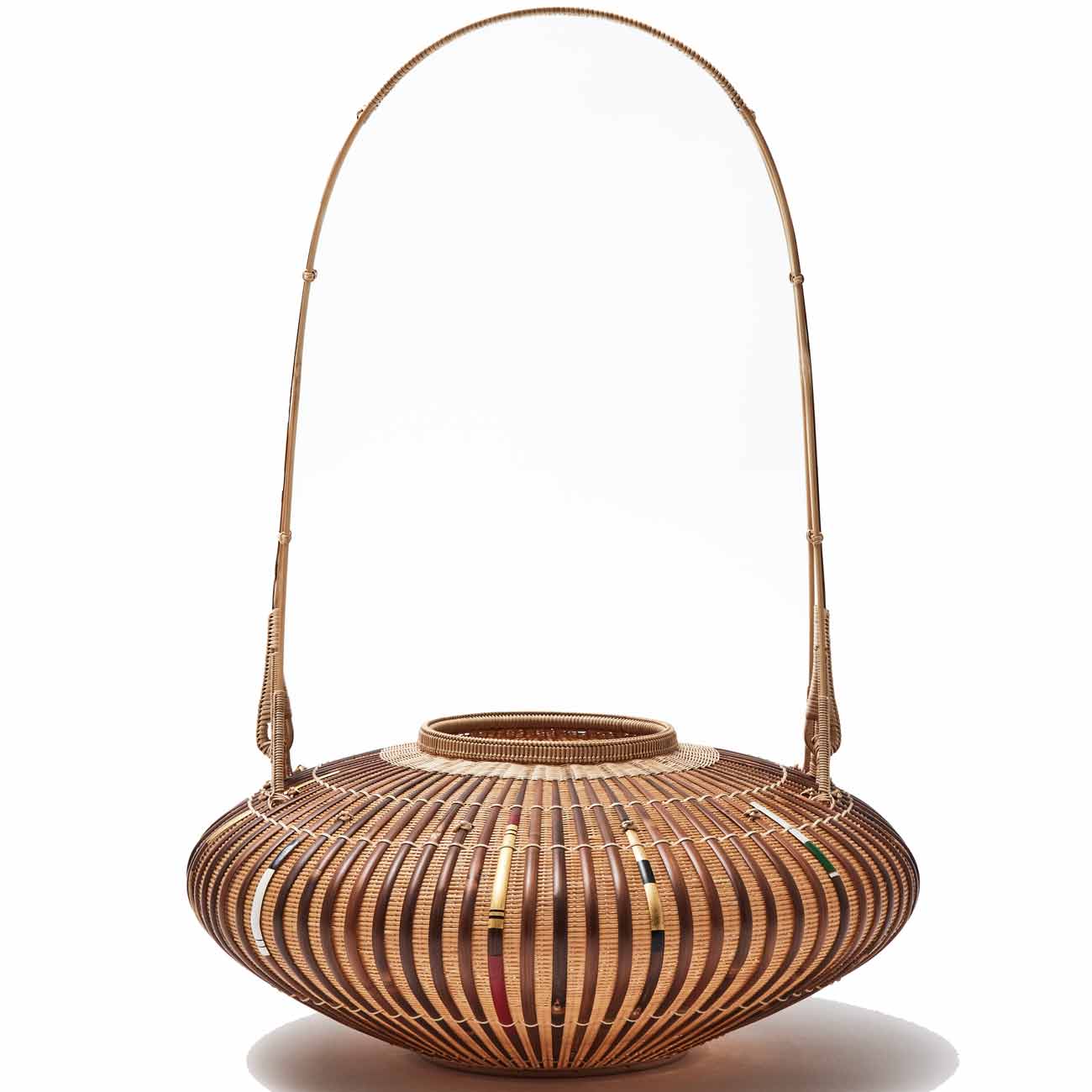
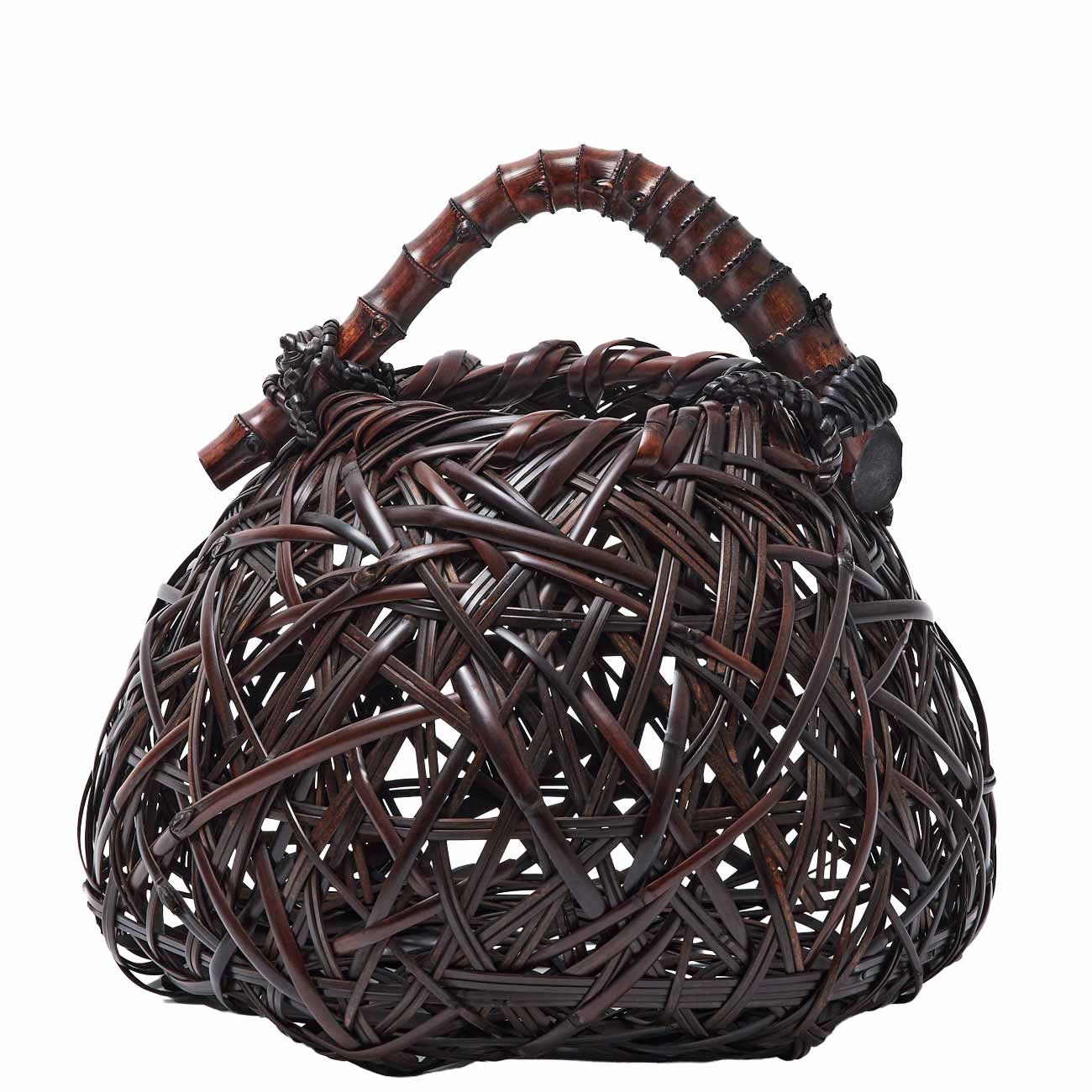
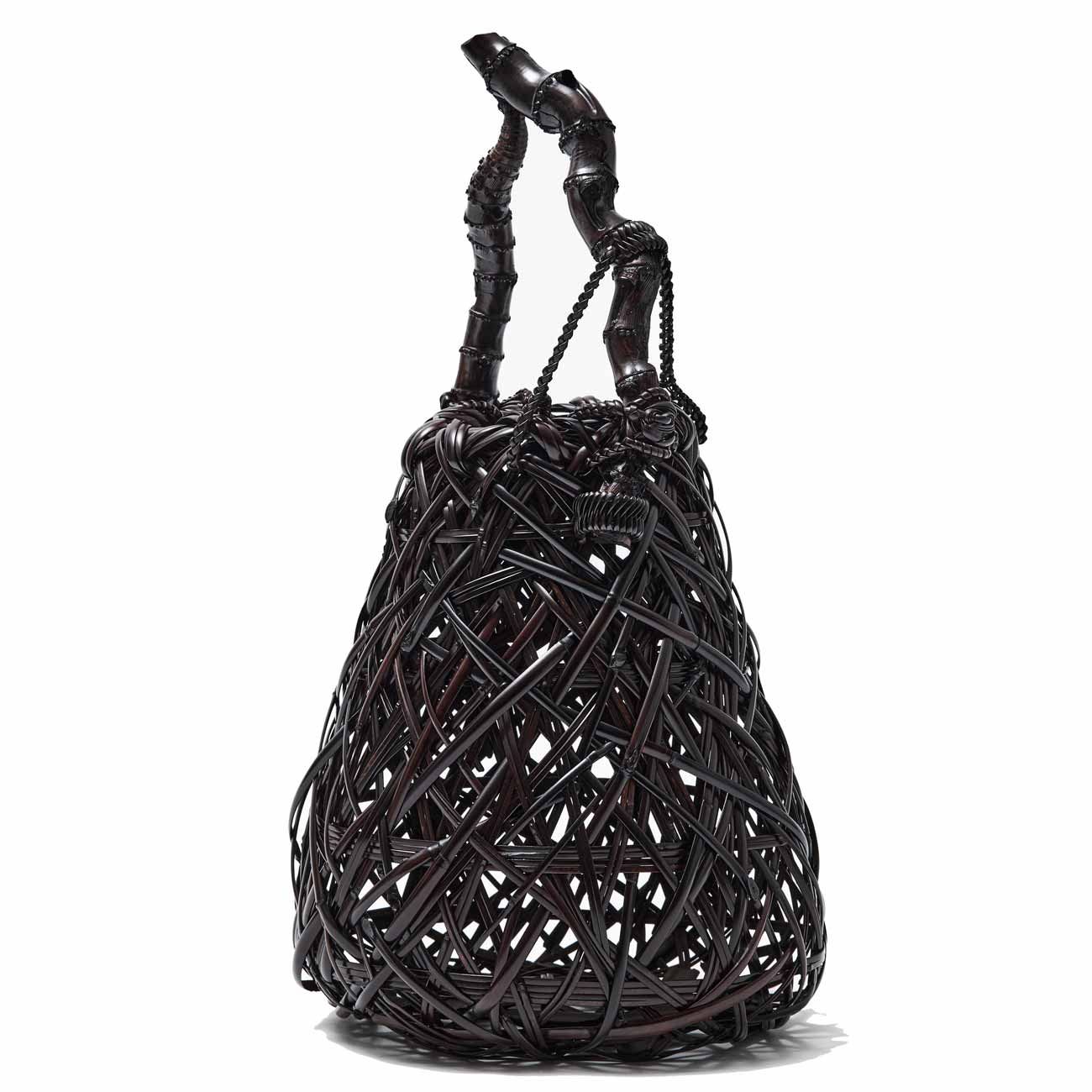
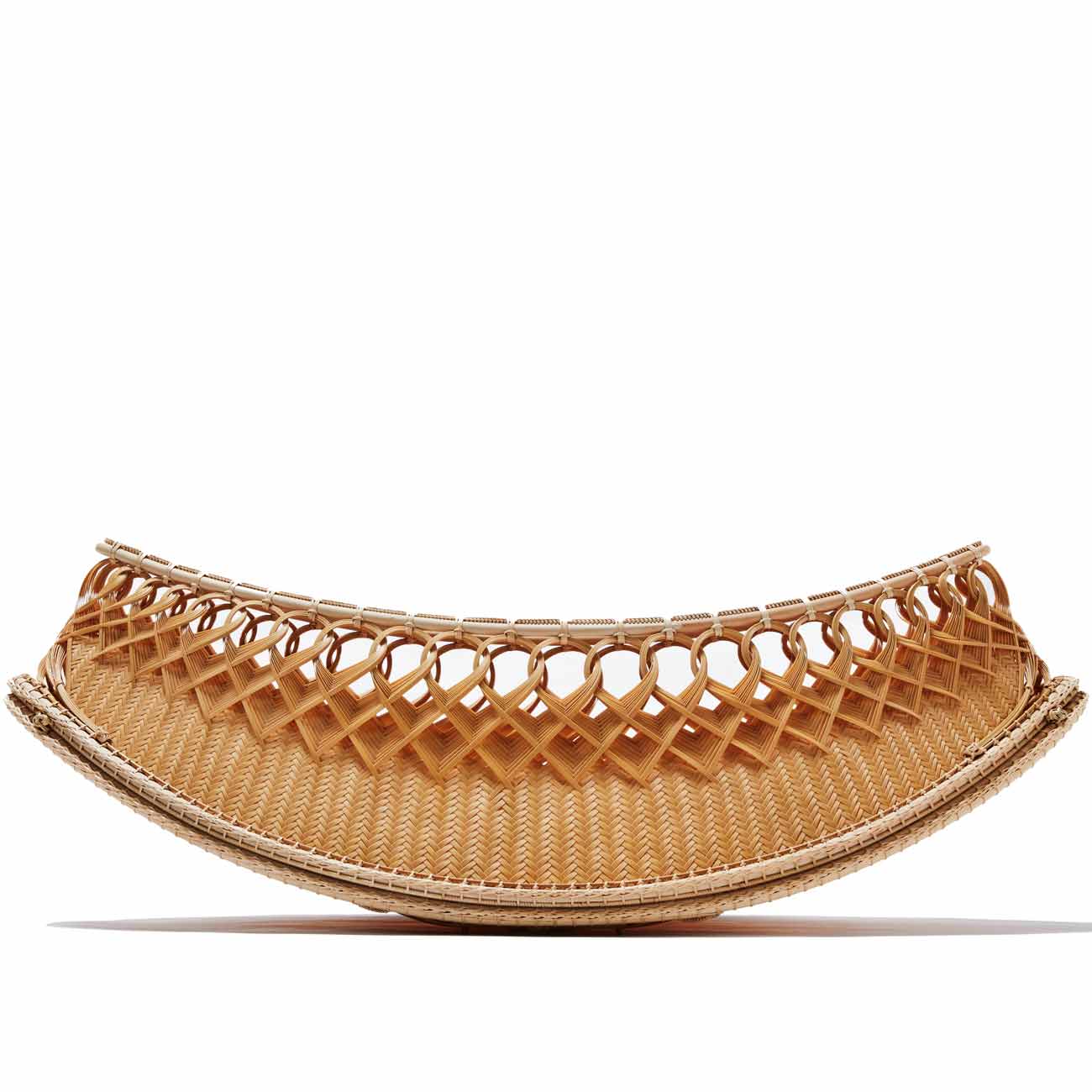
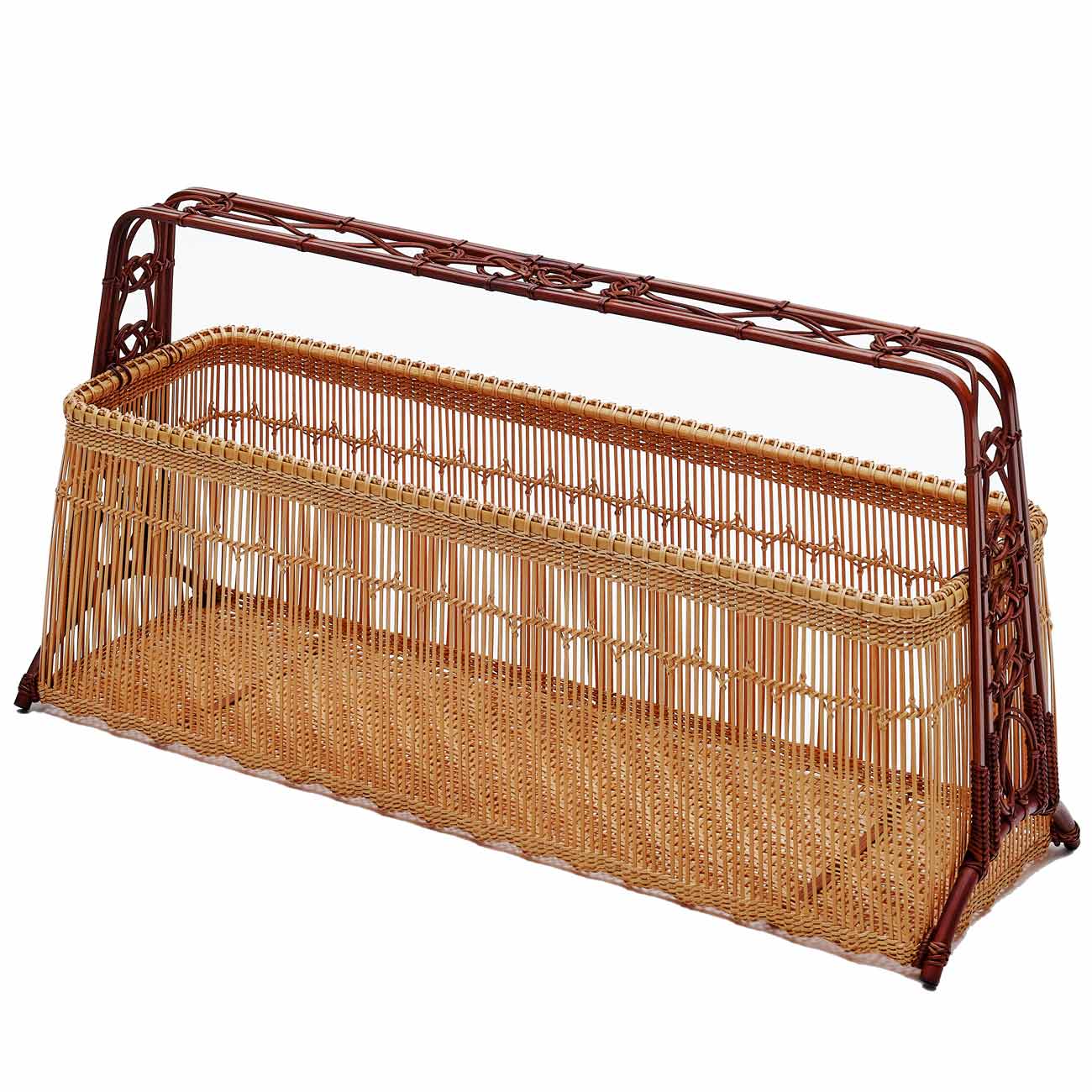
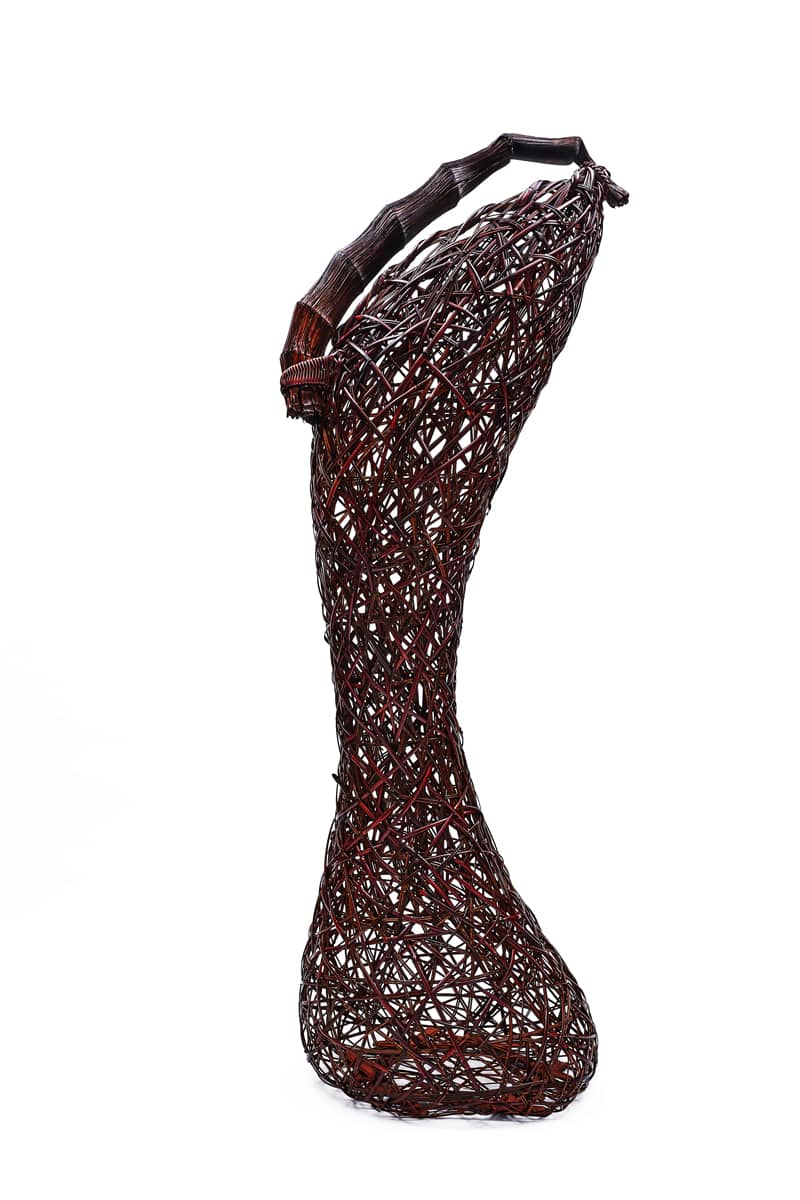
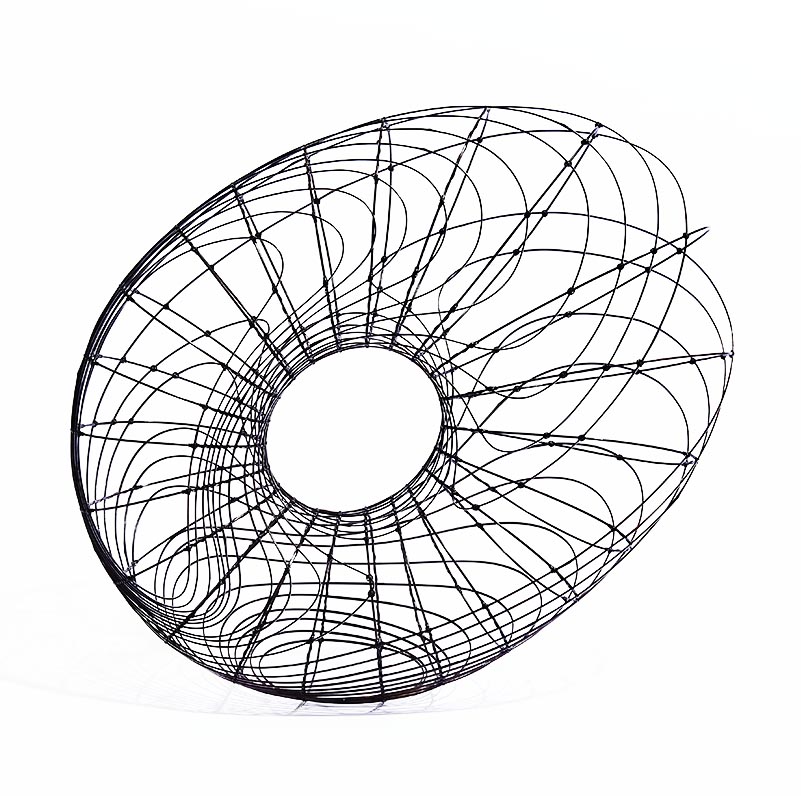
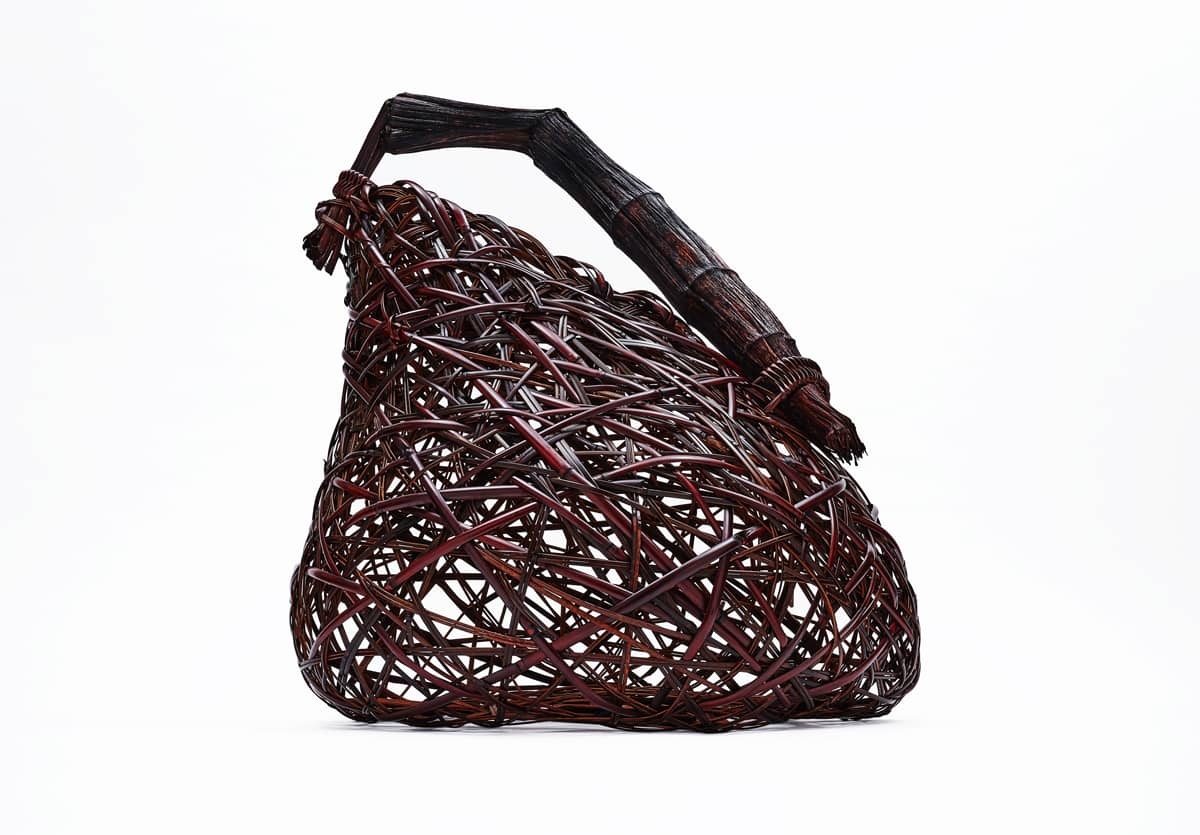
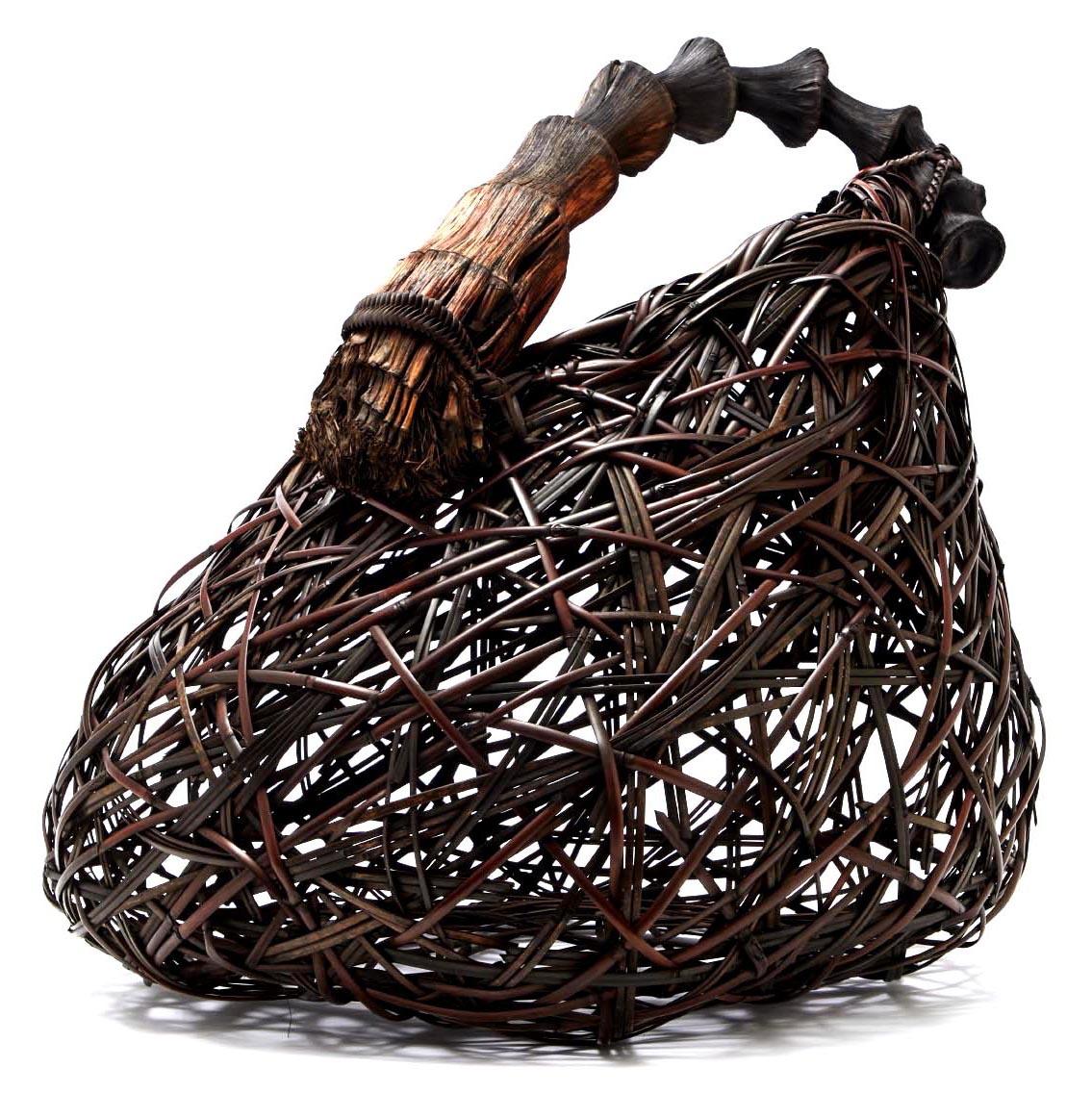
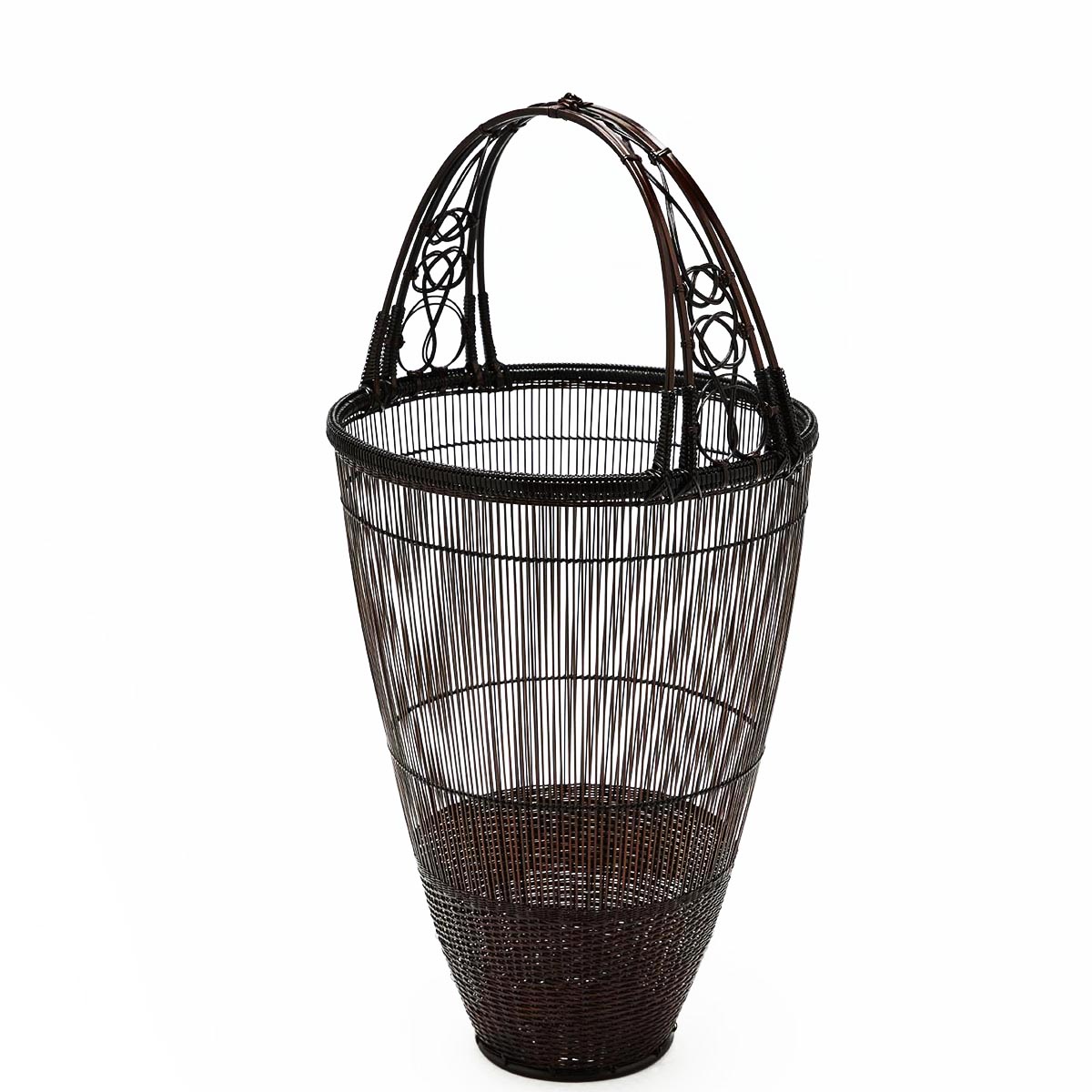
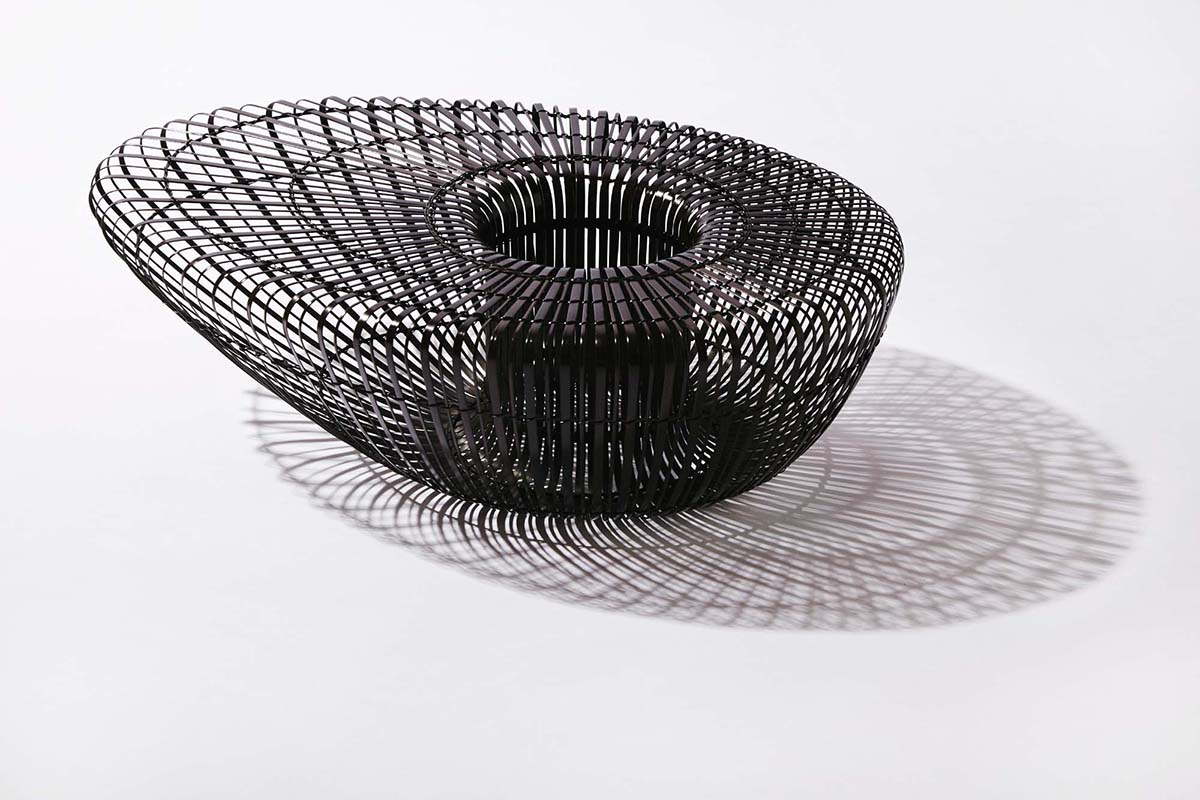
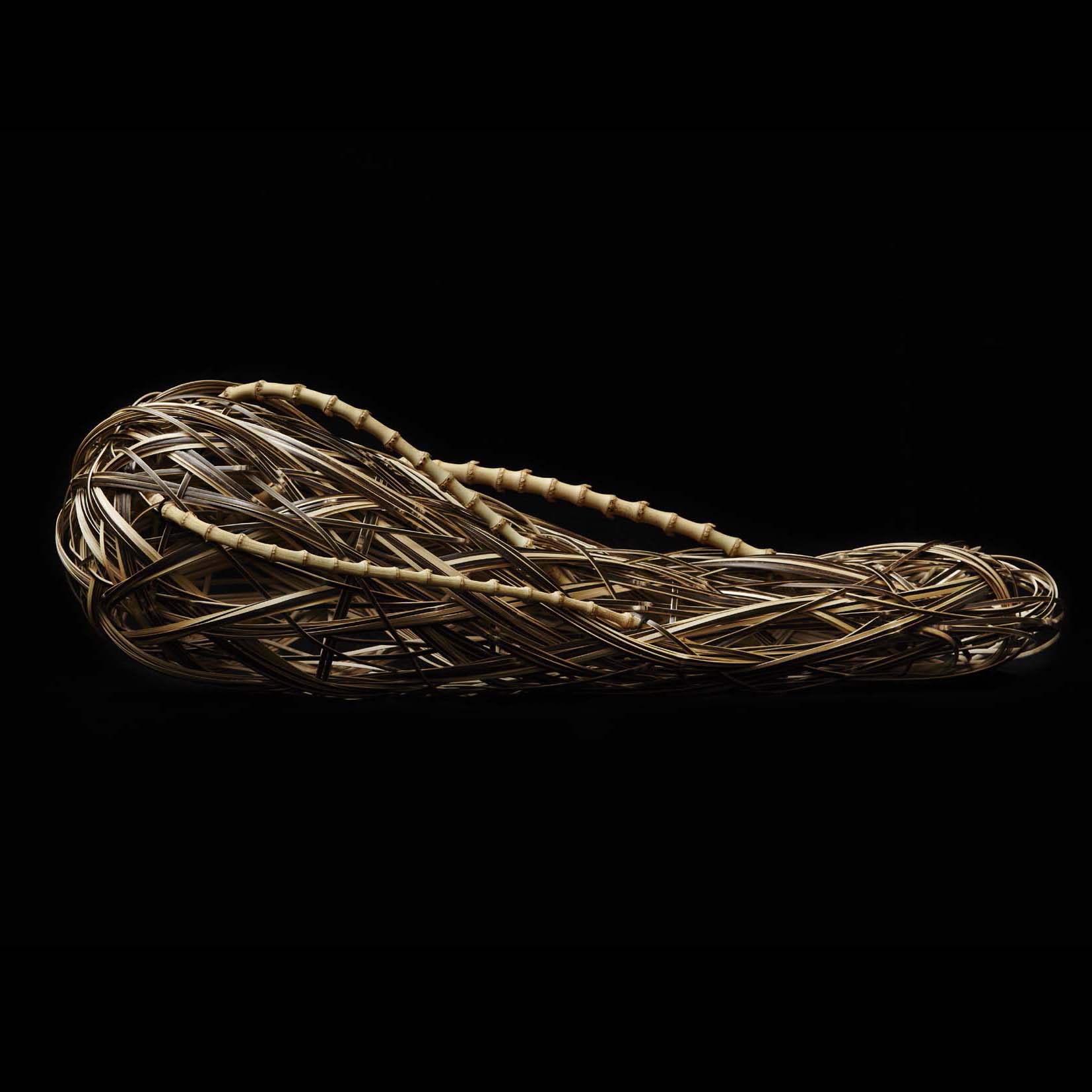
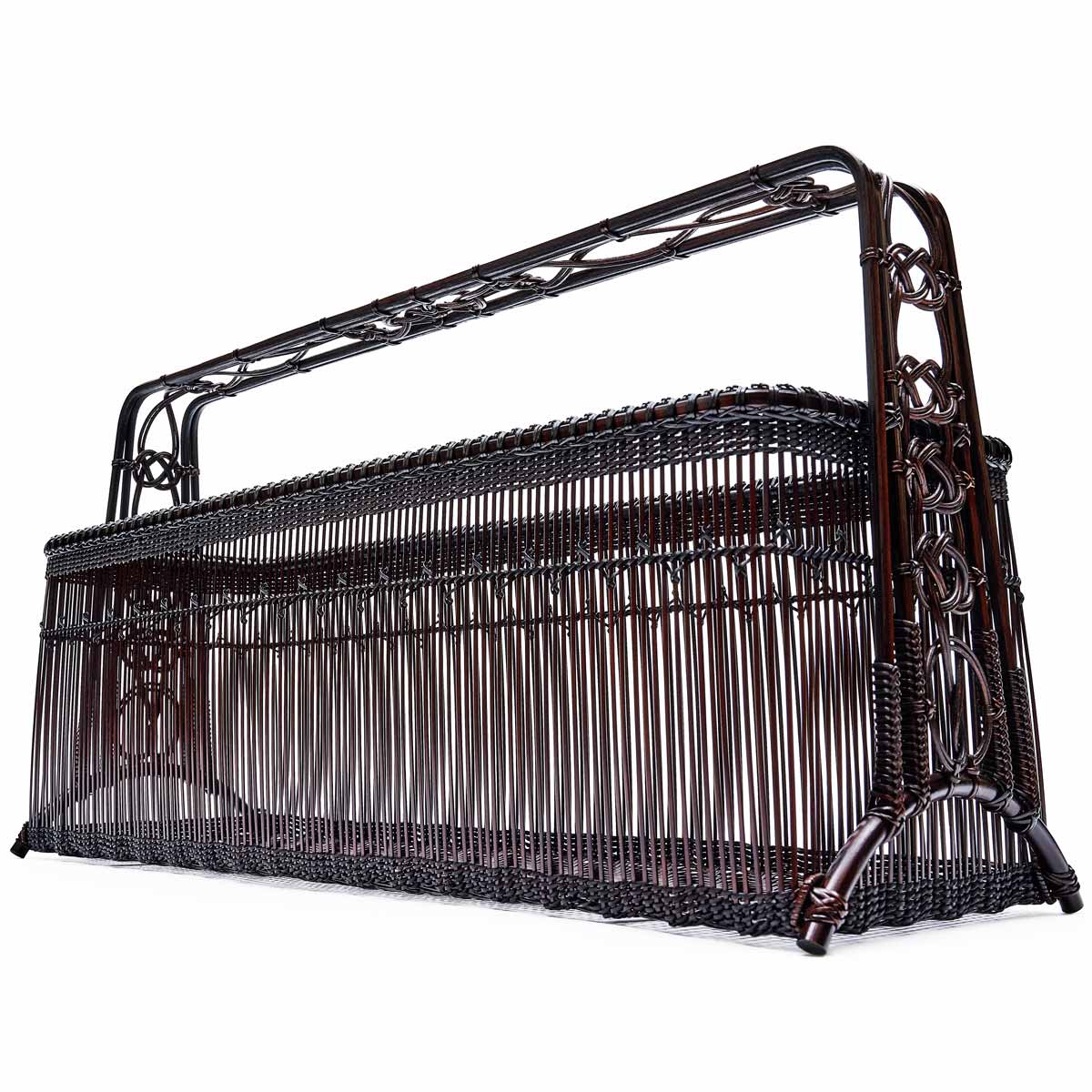
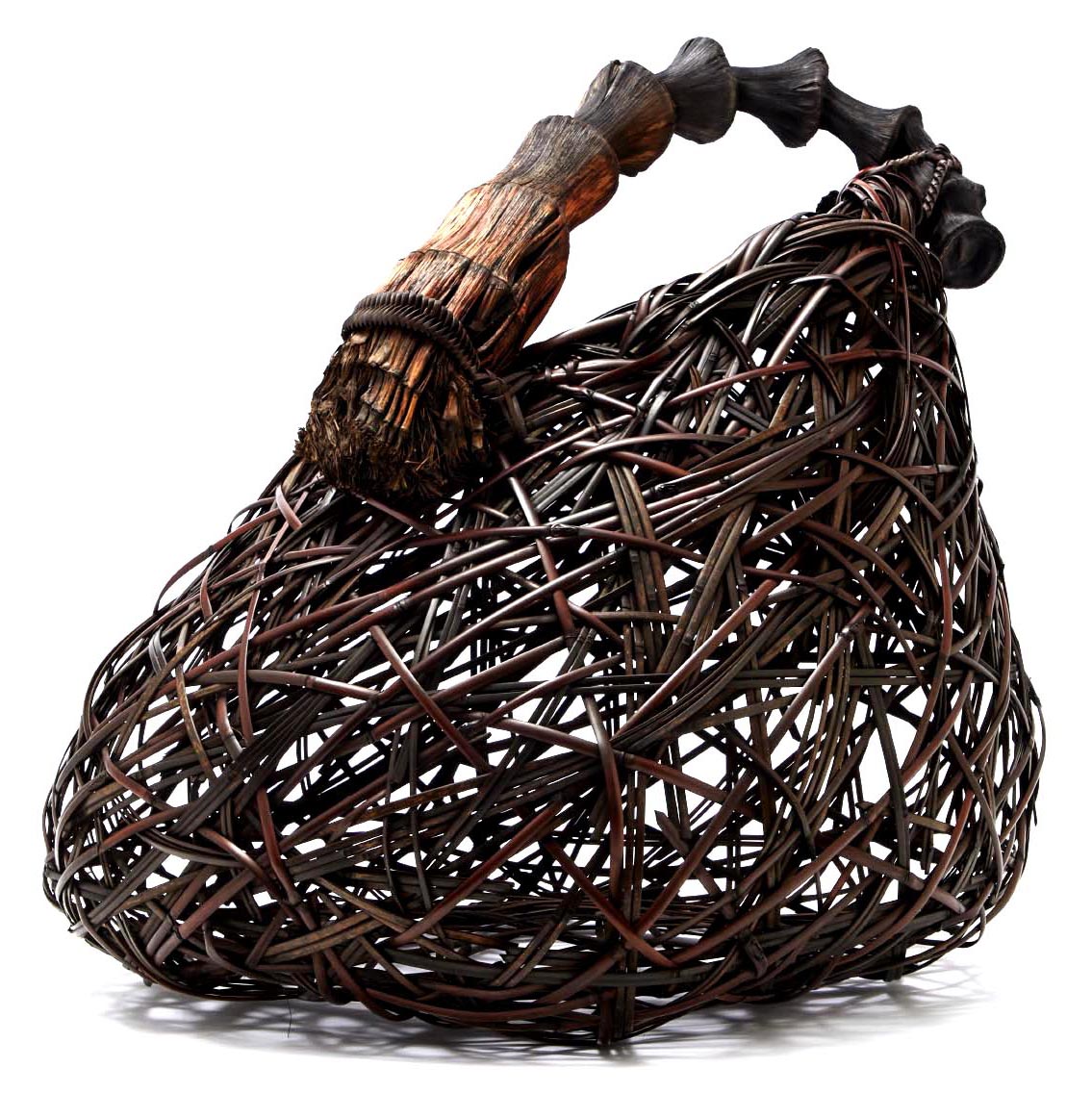
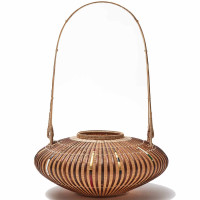
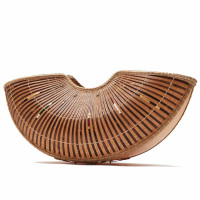
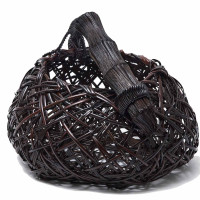
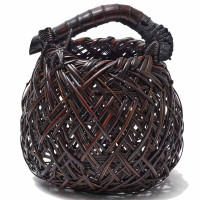
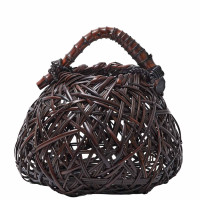
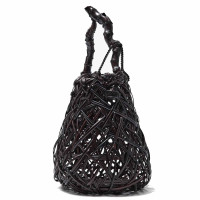
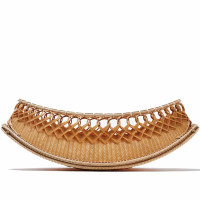
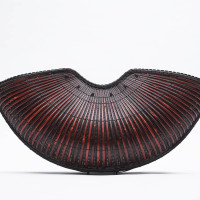
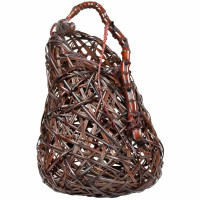
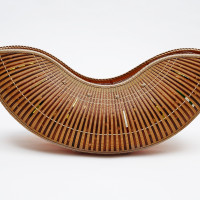
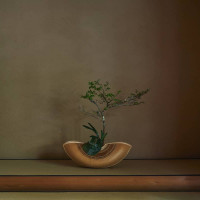
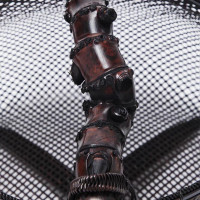
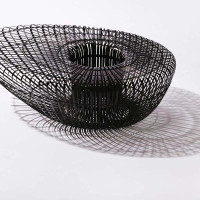
Tanabe Chikuunsai IV's work unfolds along two complementary paths. The first continues the great traditions of Japanese bamboo art through the creation of flower baskets and vessels intended for ikebana and the tea ceremony. These works demonstrate his profound knowledge of weaving techniques, proportions, and the particular qualities of different bamboo varieties. At his studio in Sakai, the artist also continues to pass on his knowledge to younger disciples, ensuring the preservation of techniques that can be extraordinarily complex.
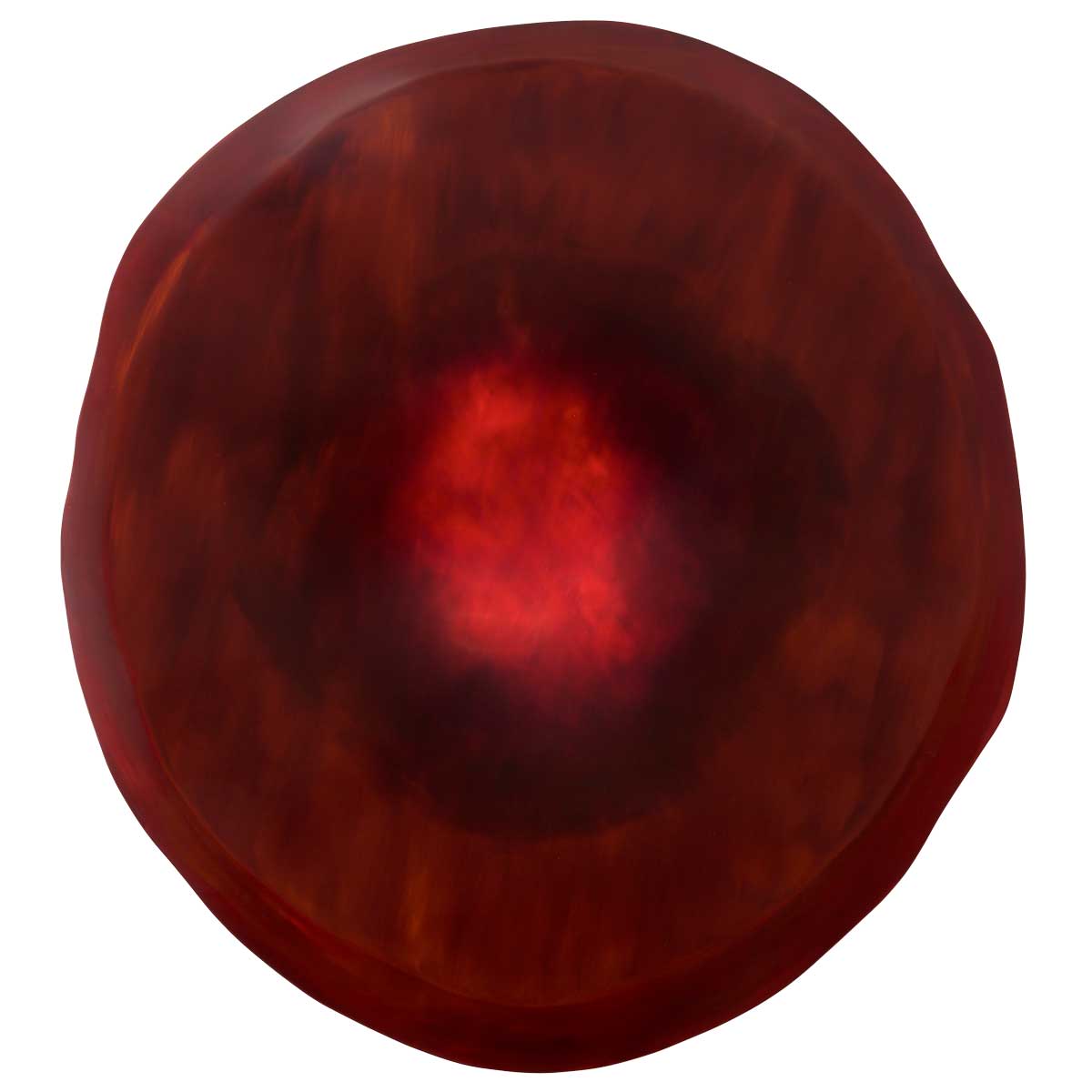
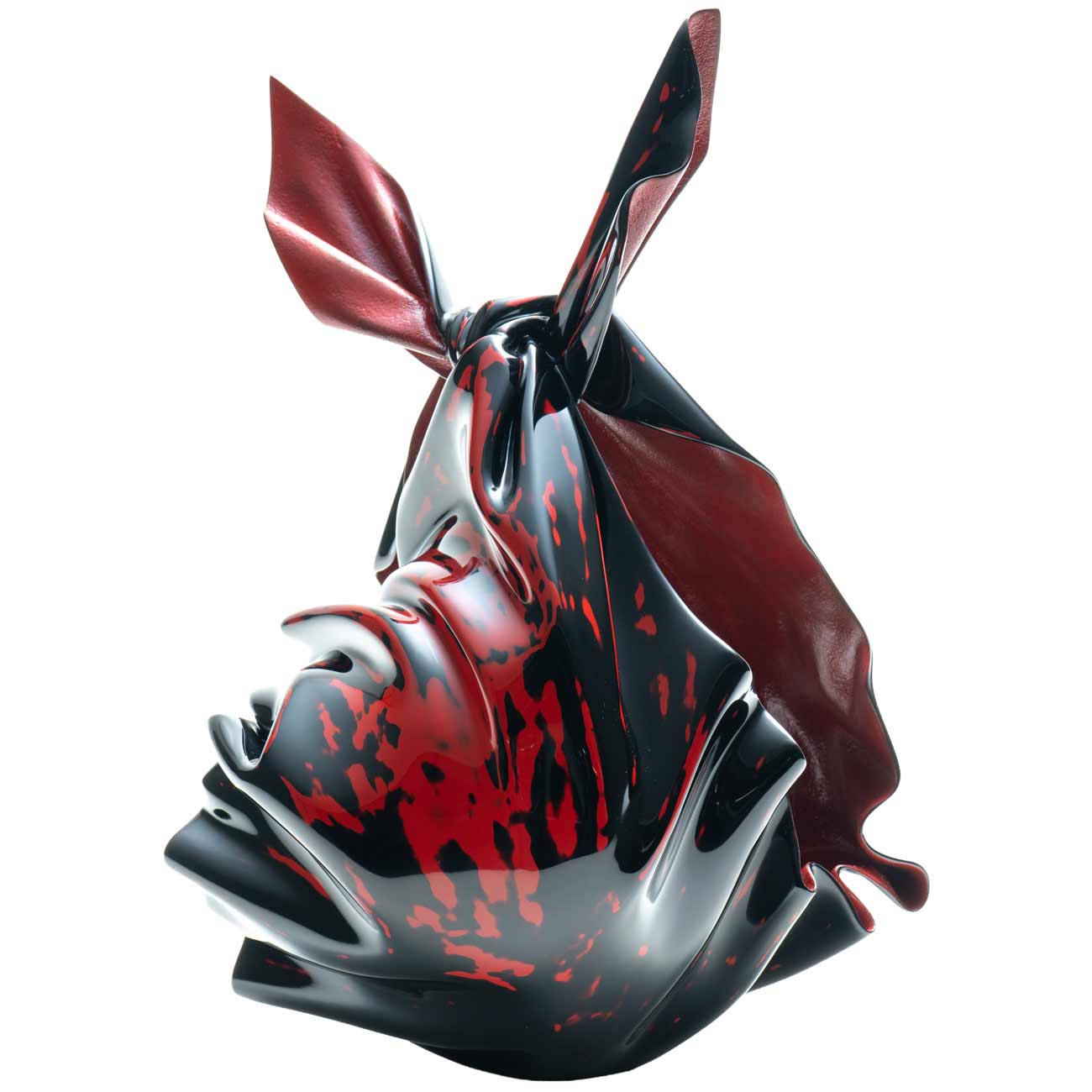
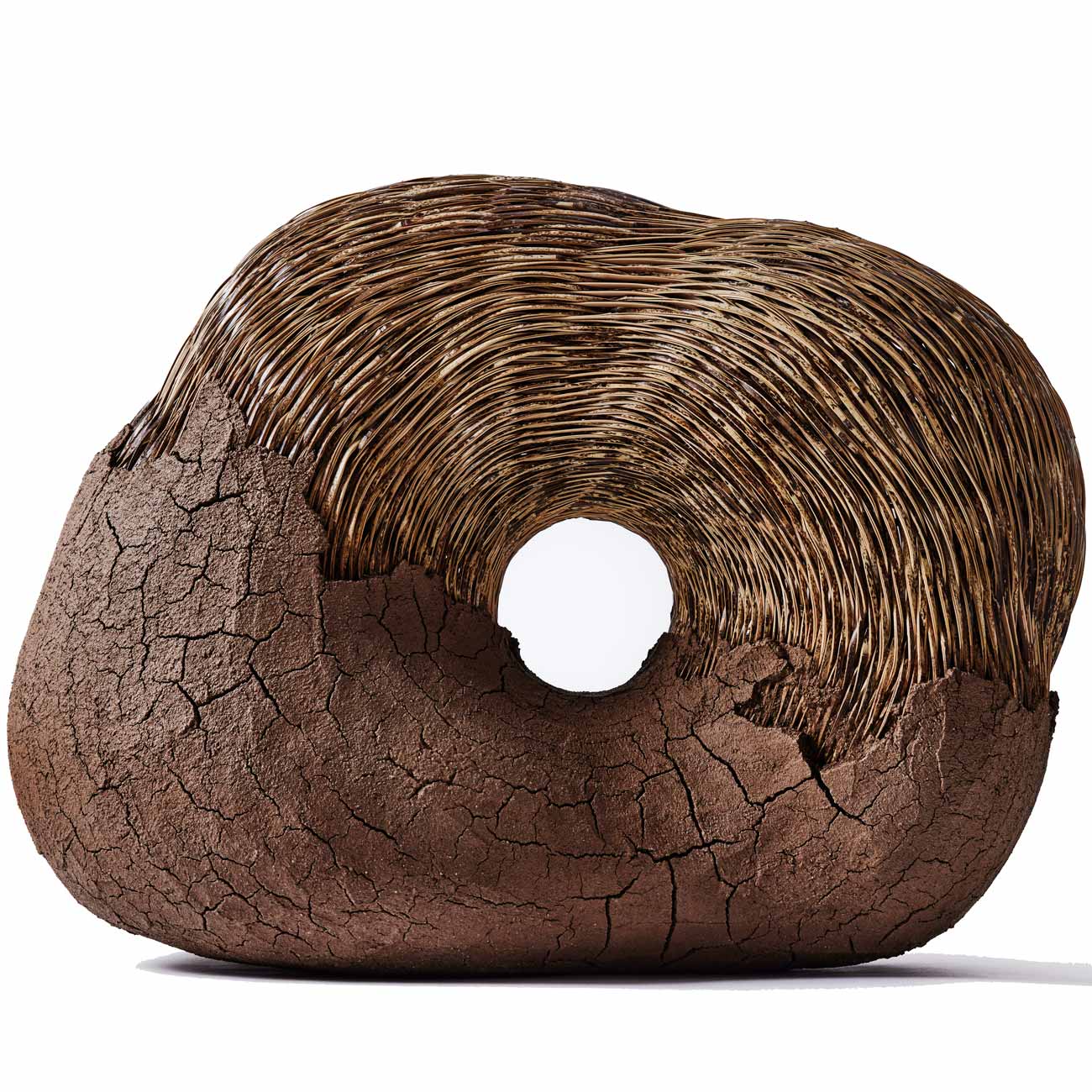
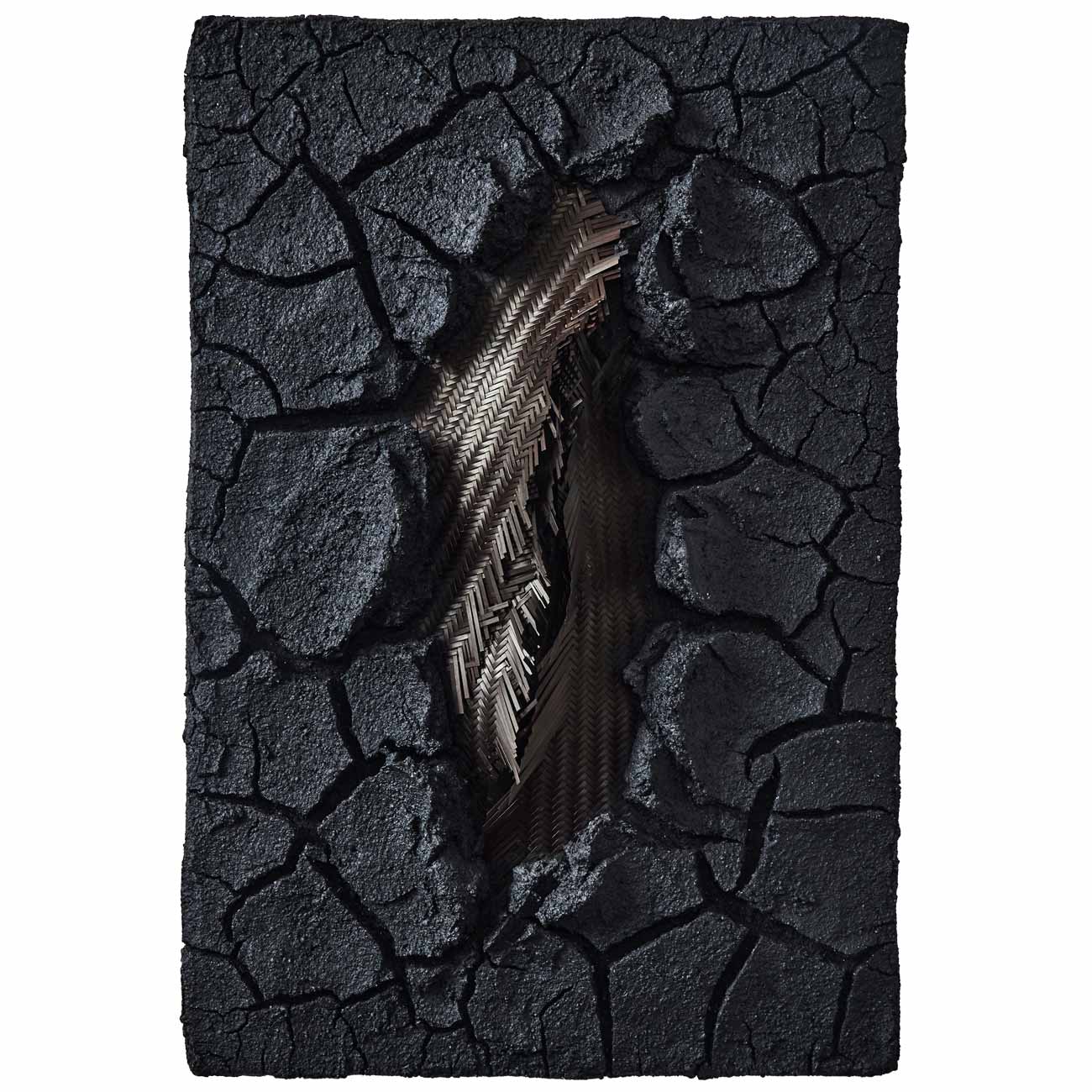
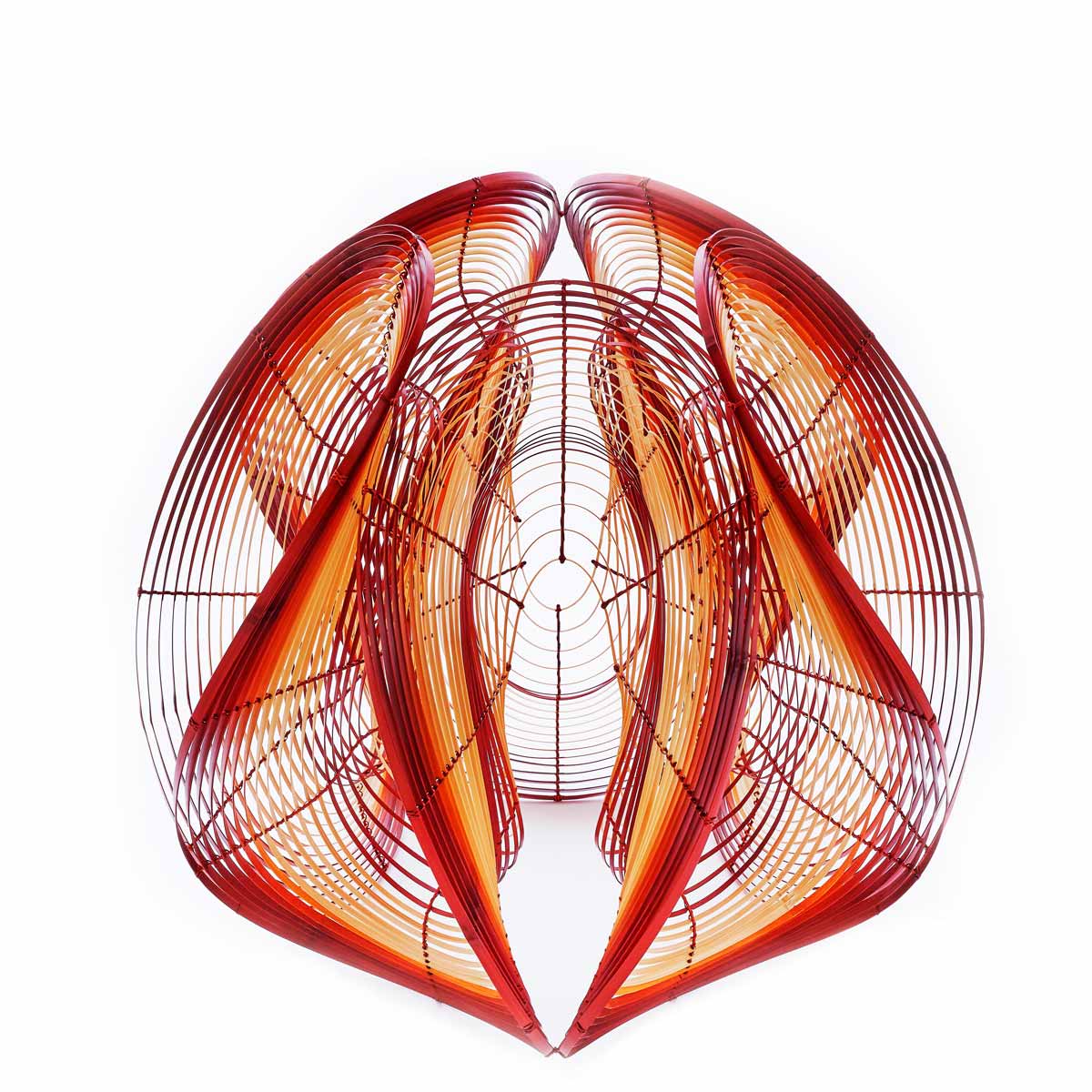
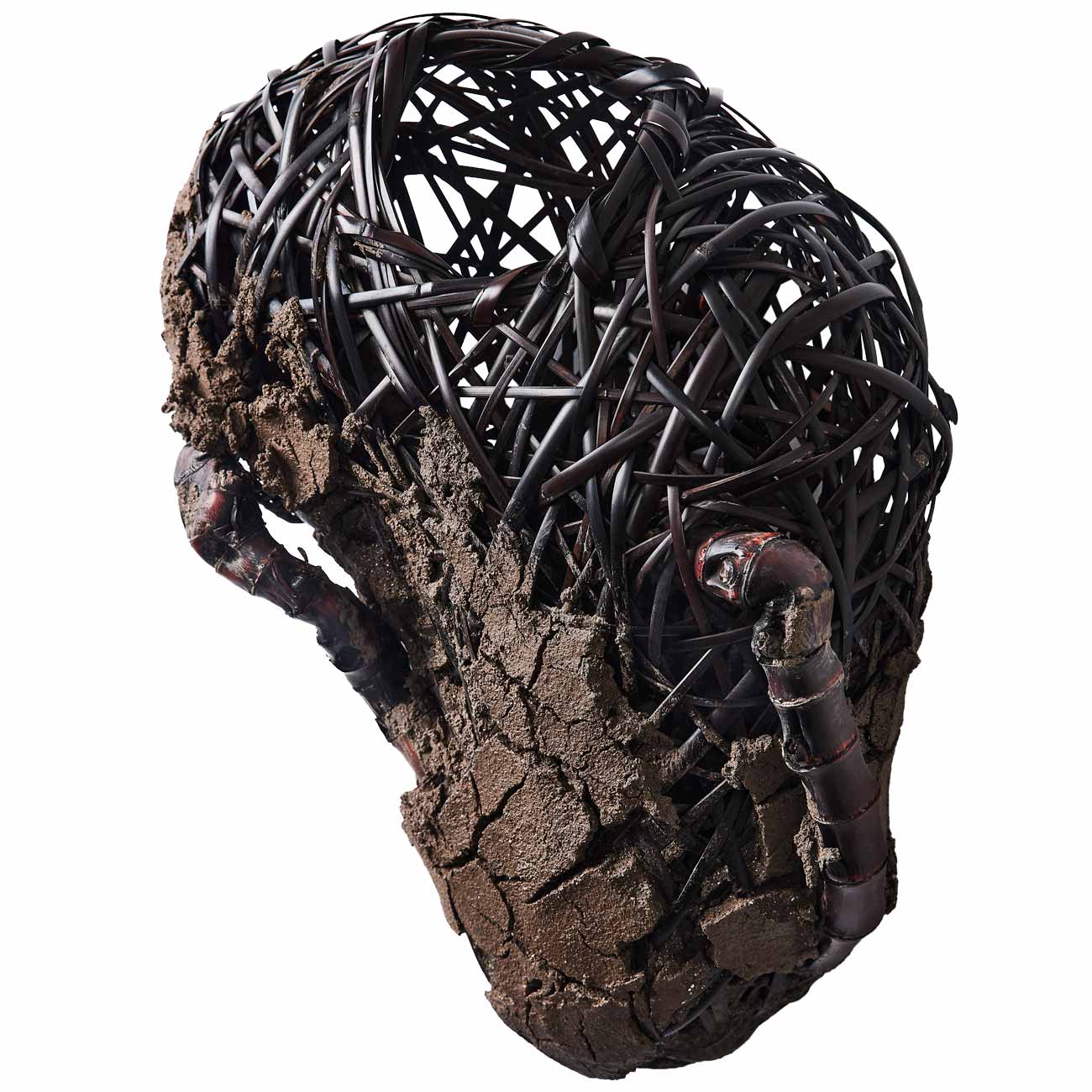
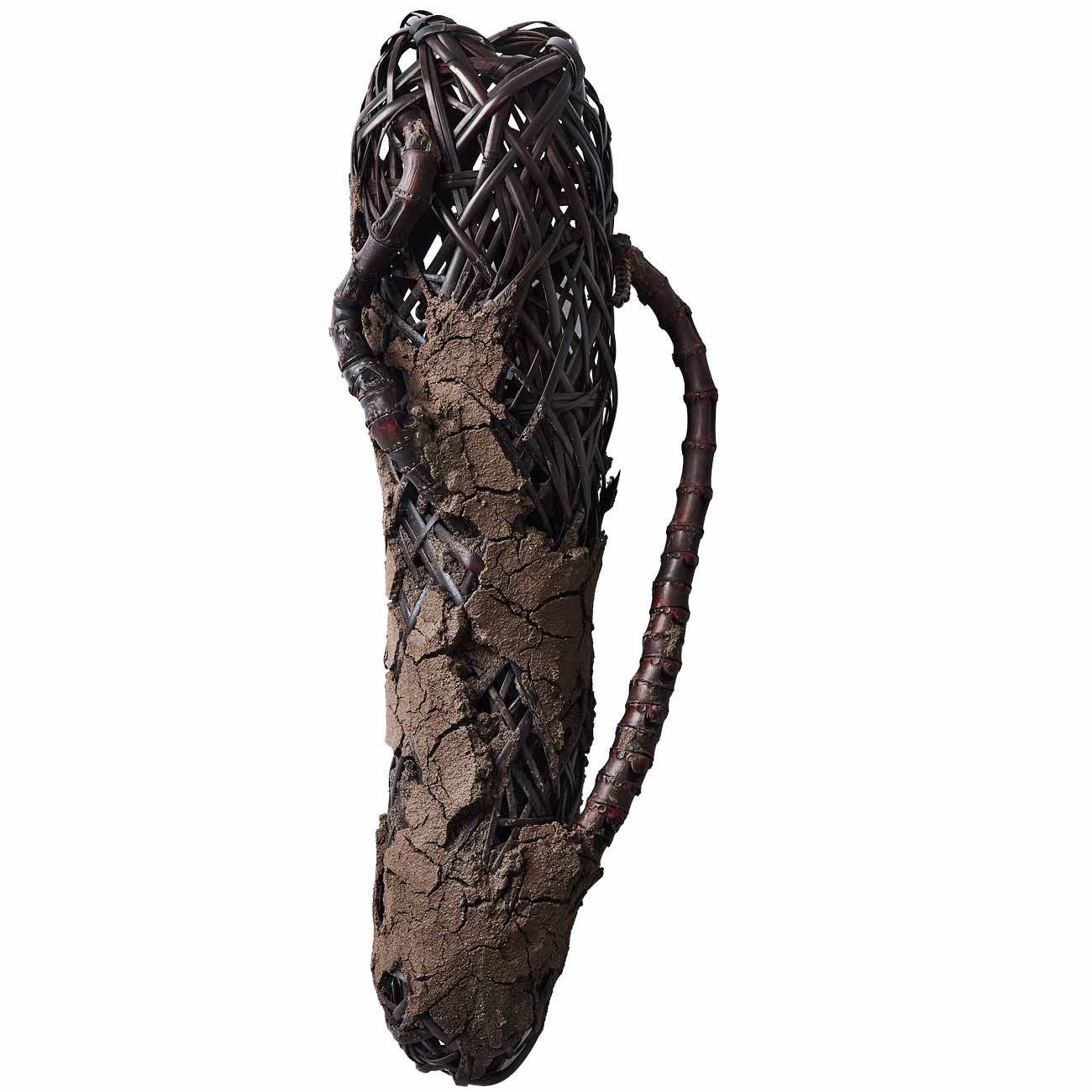
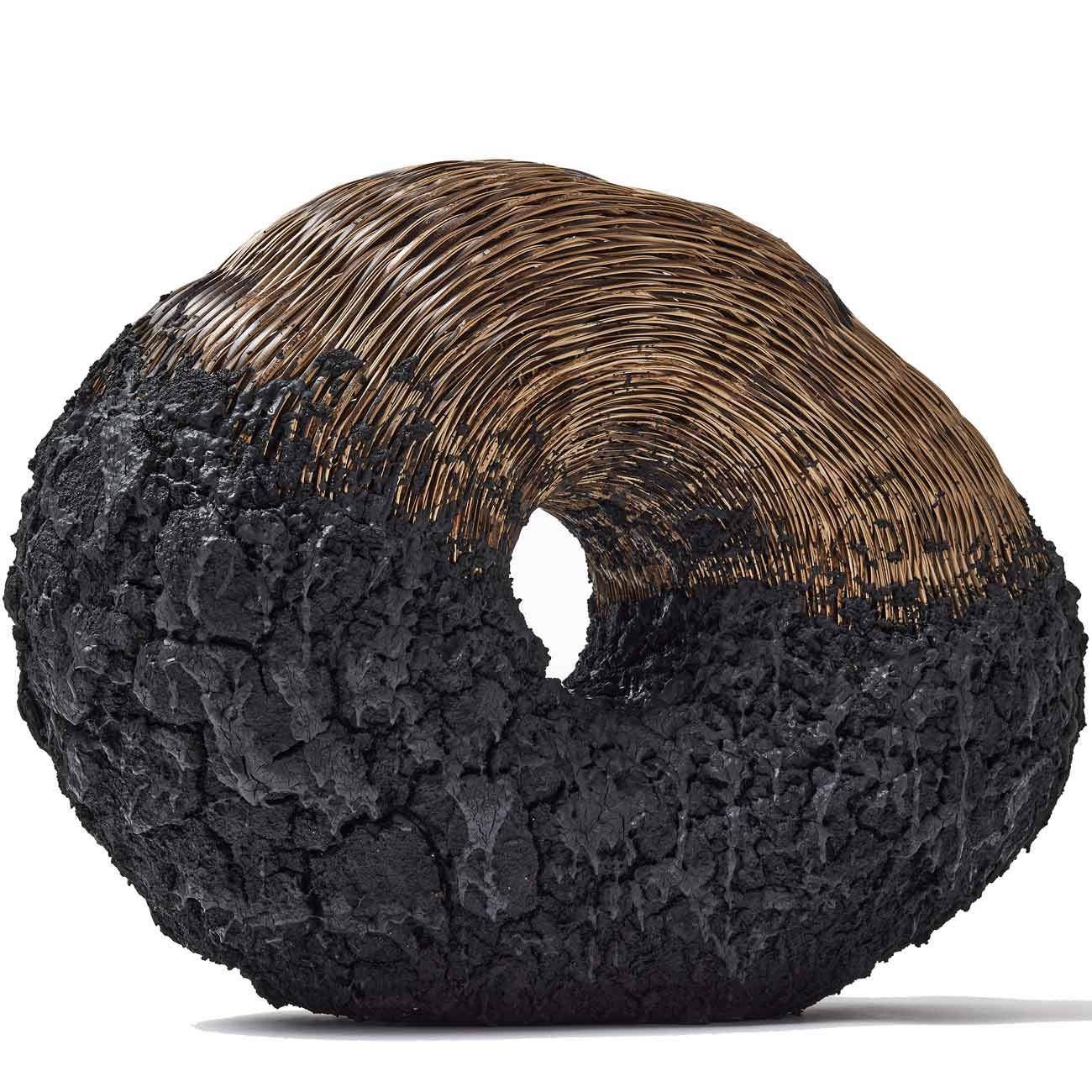
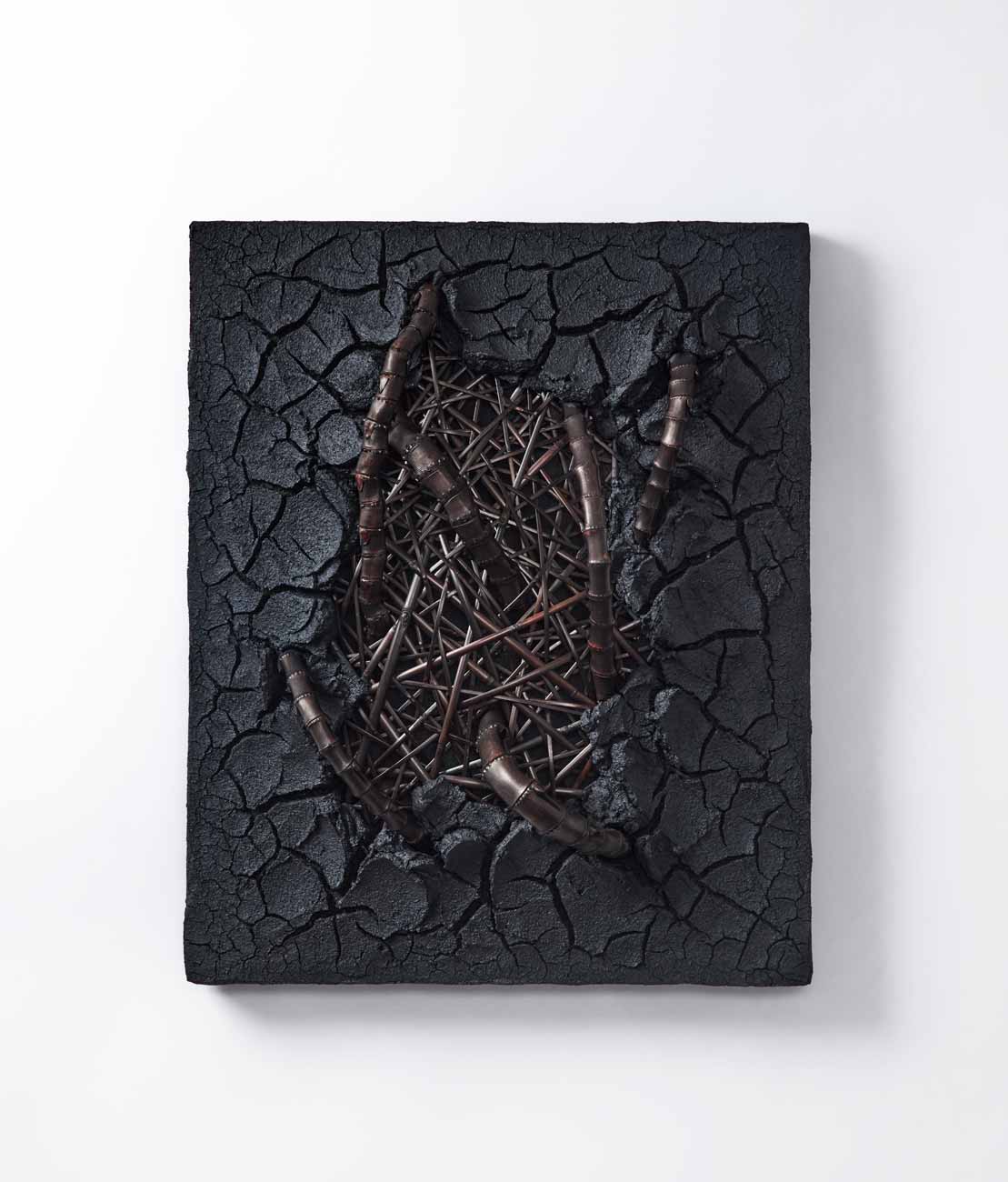
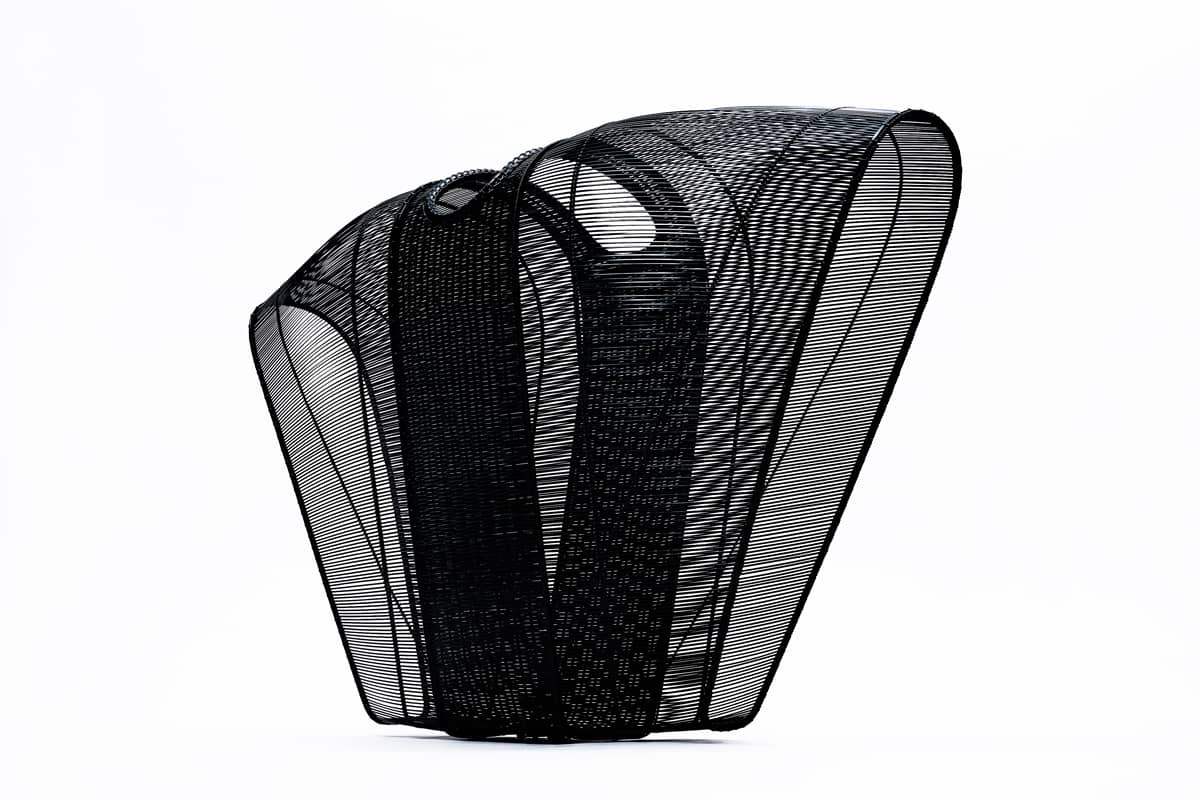
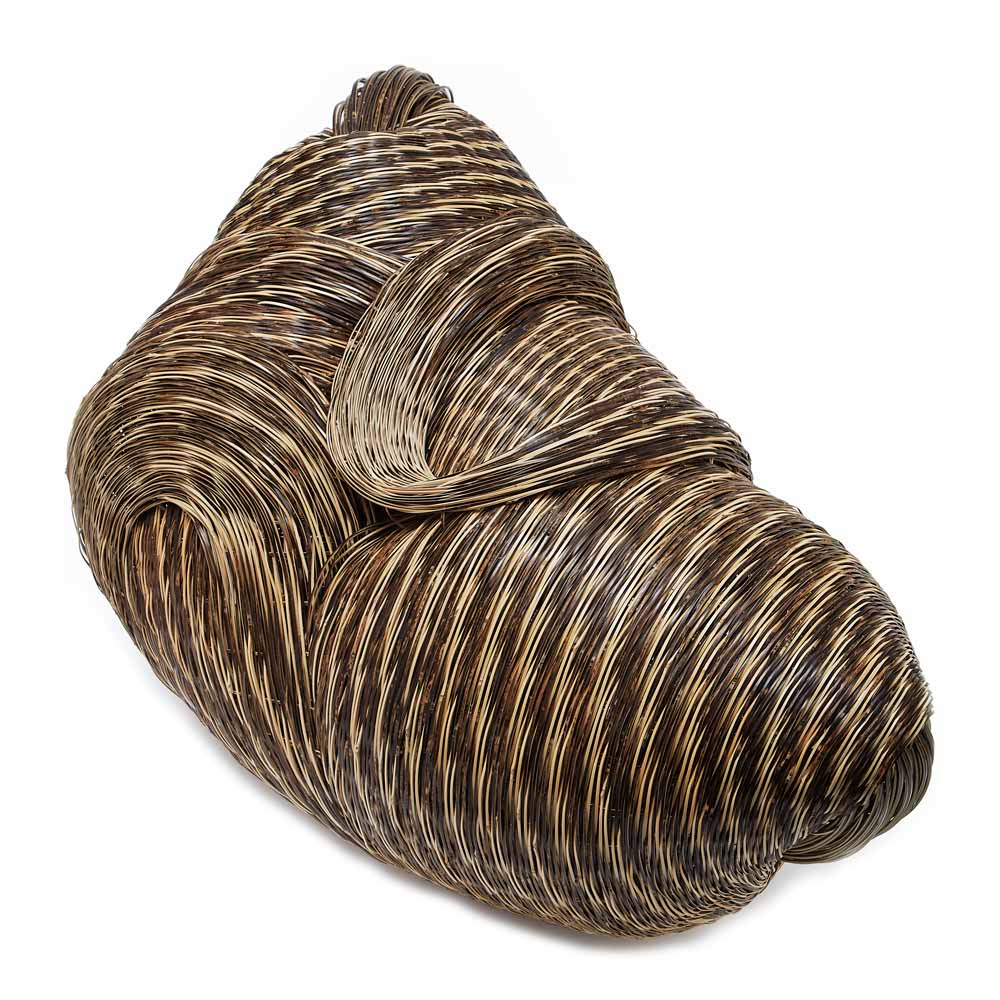
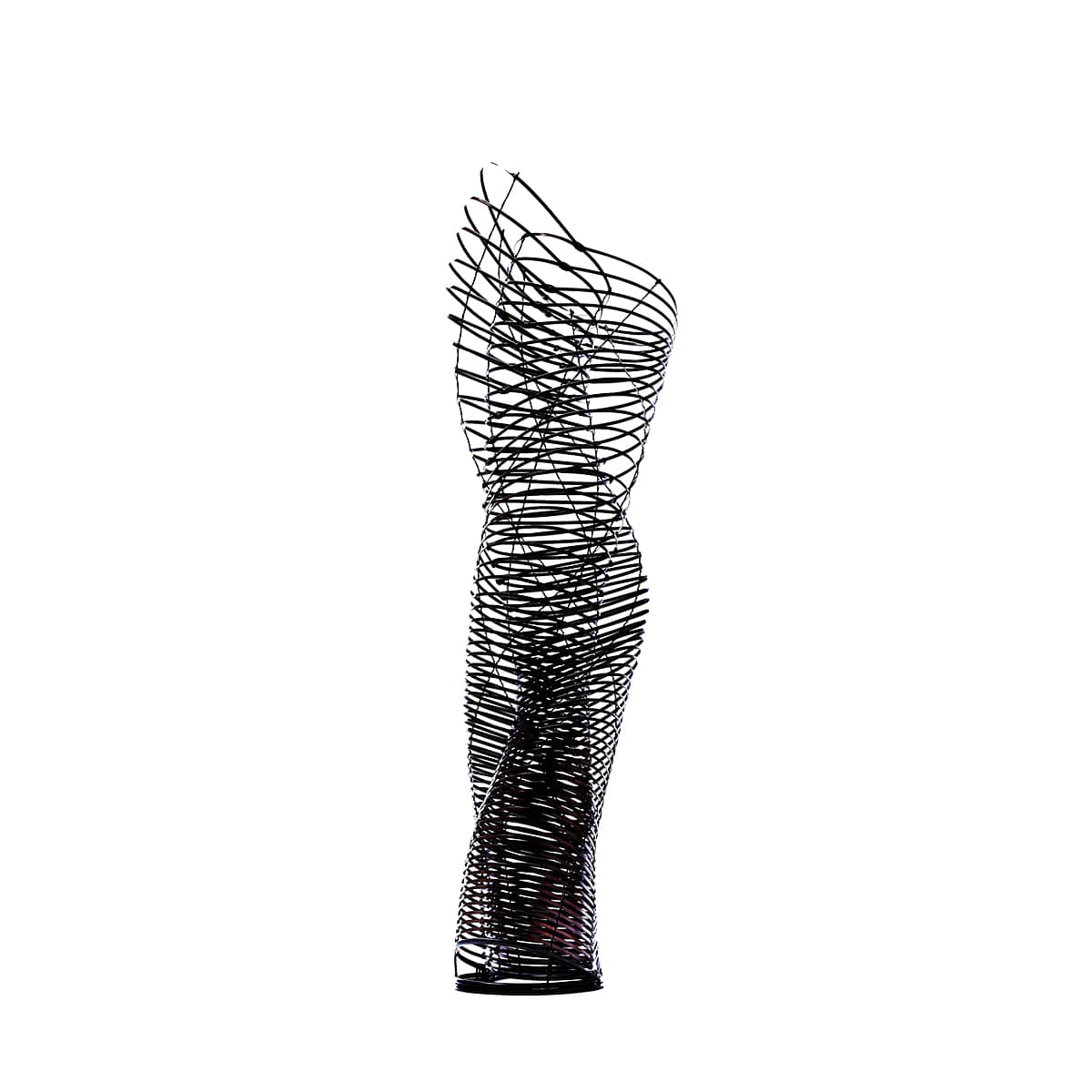
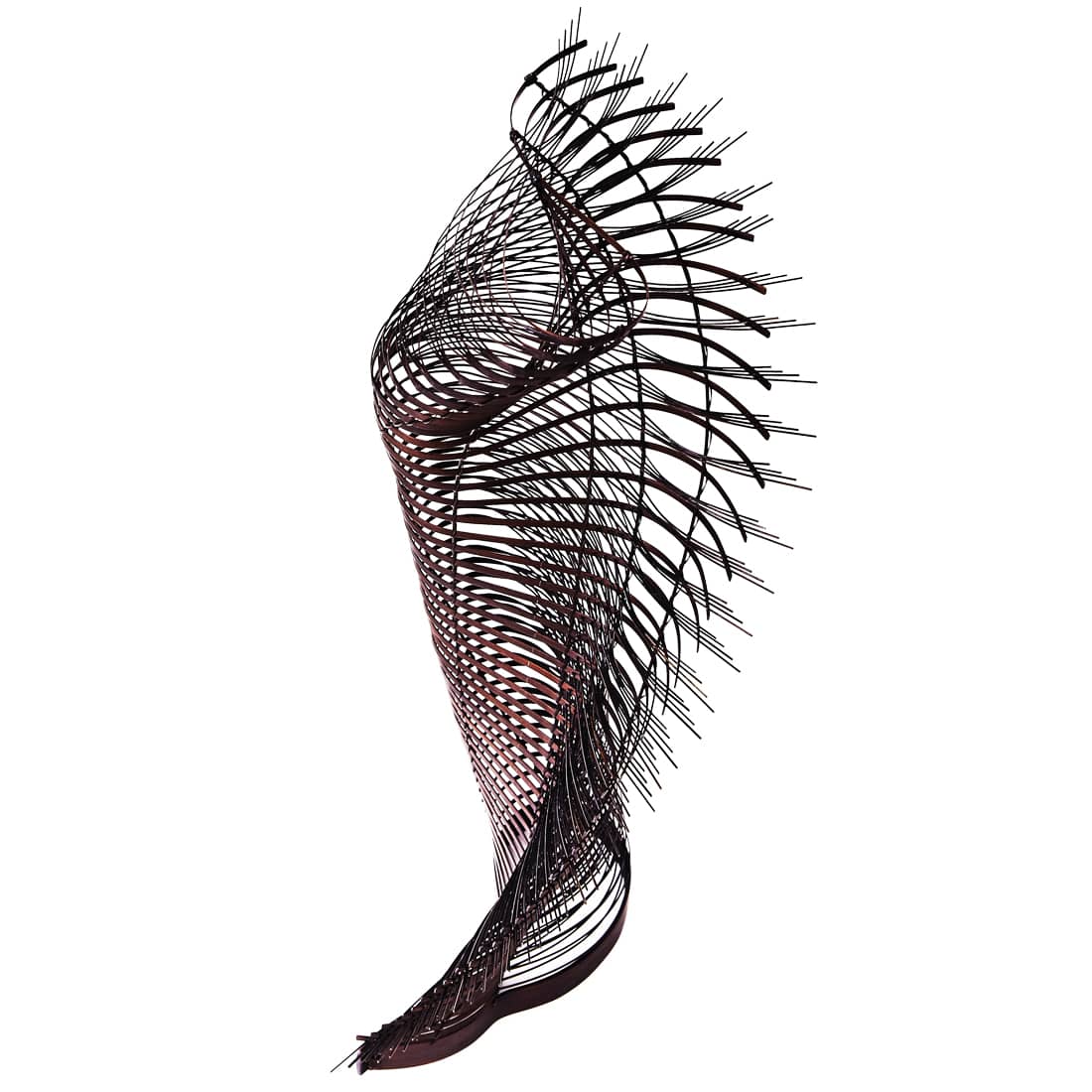
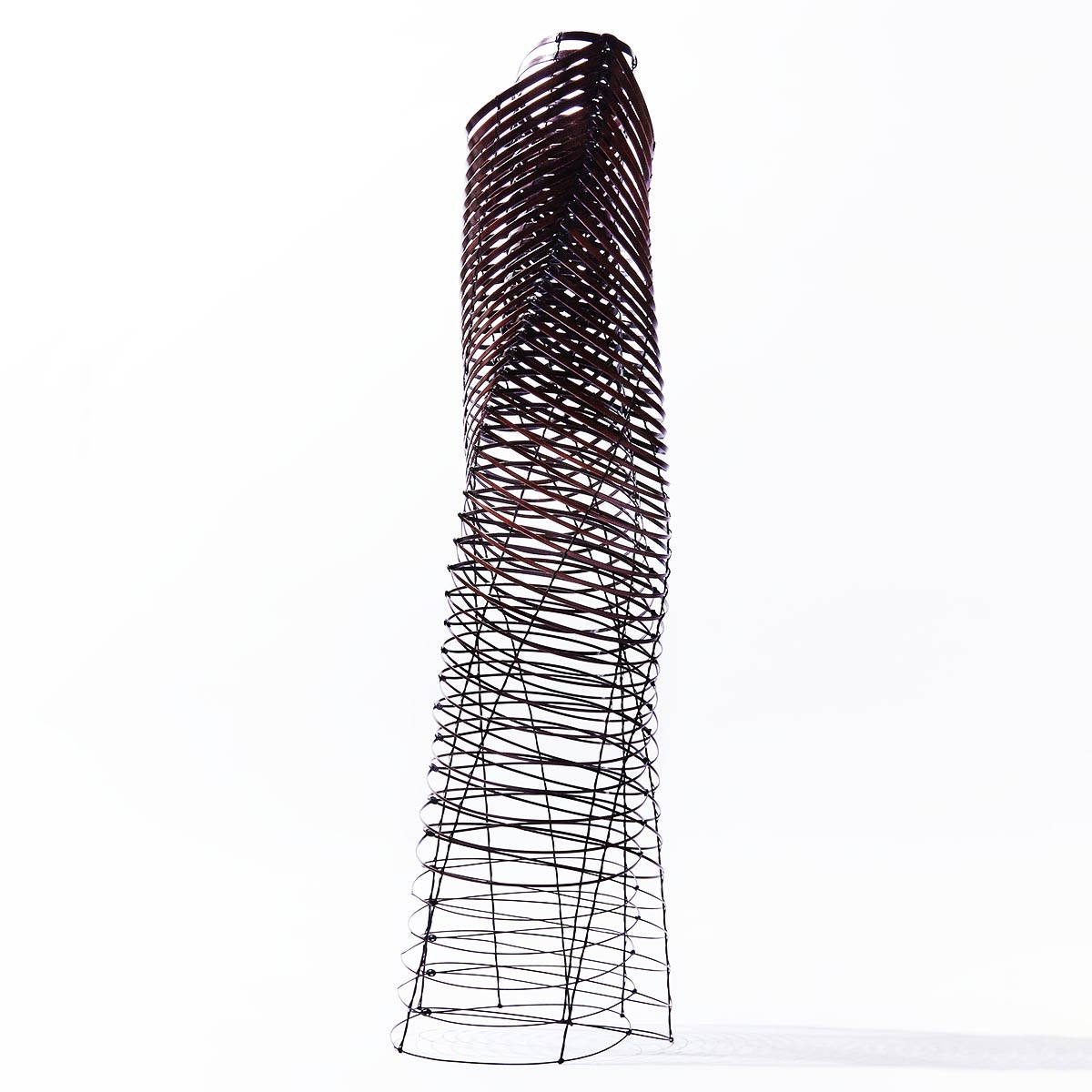
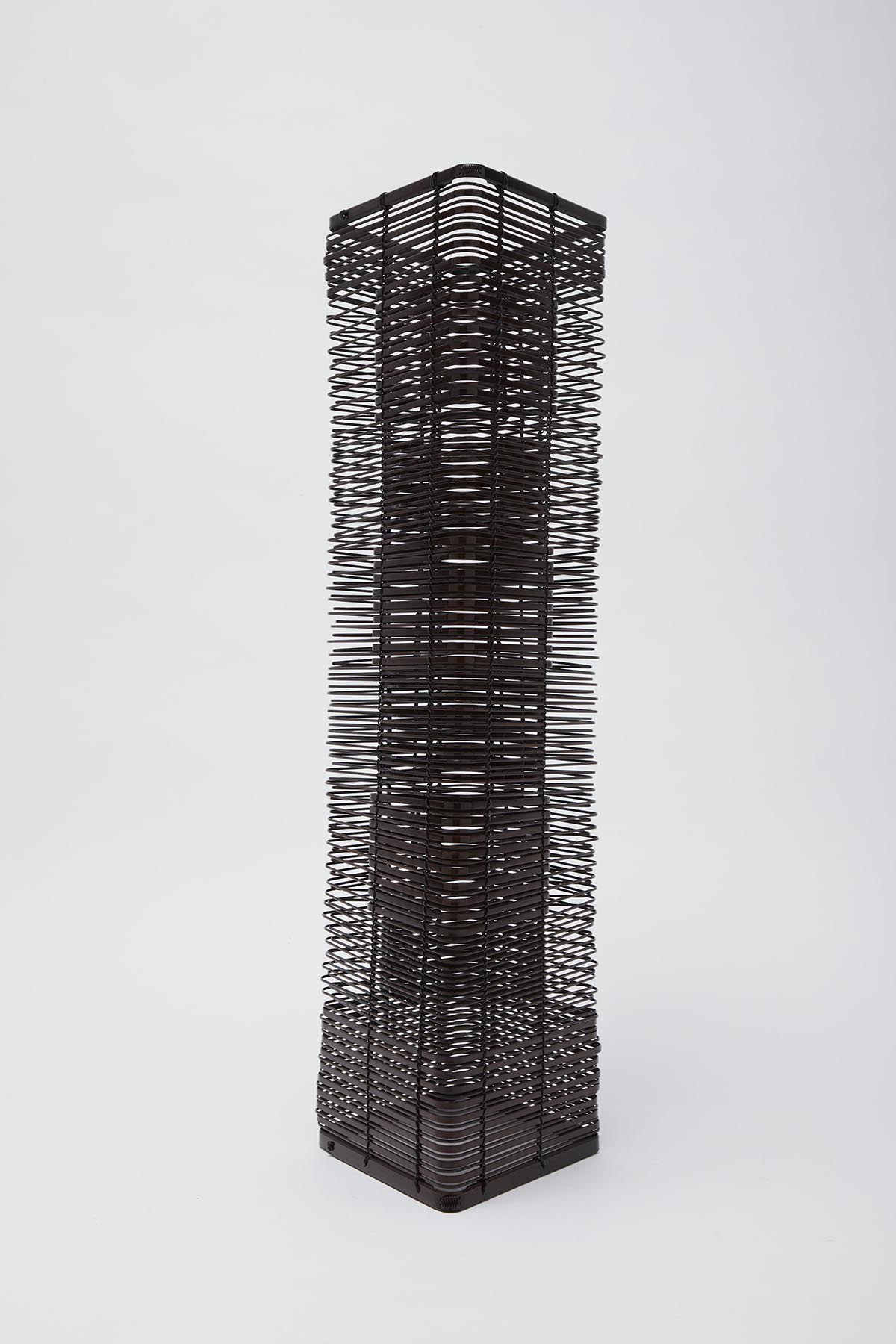
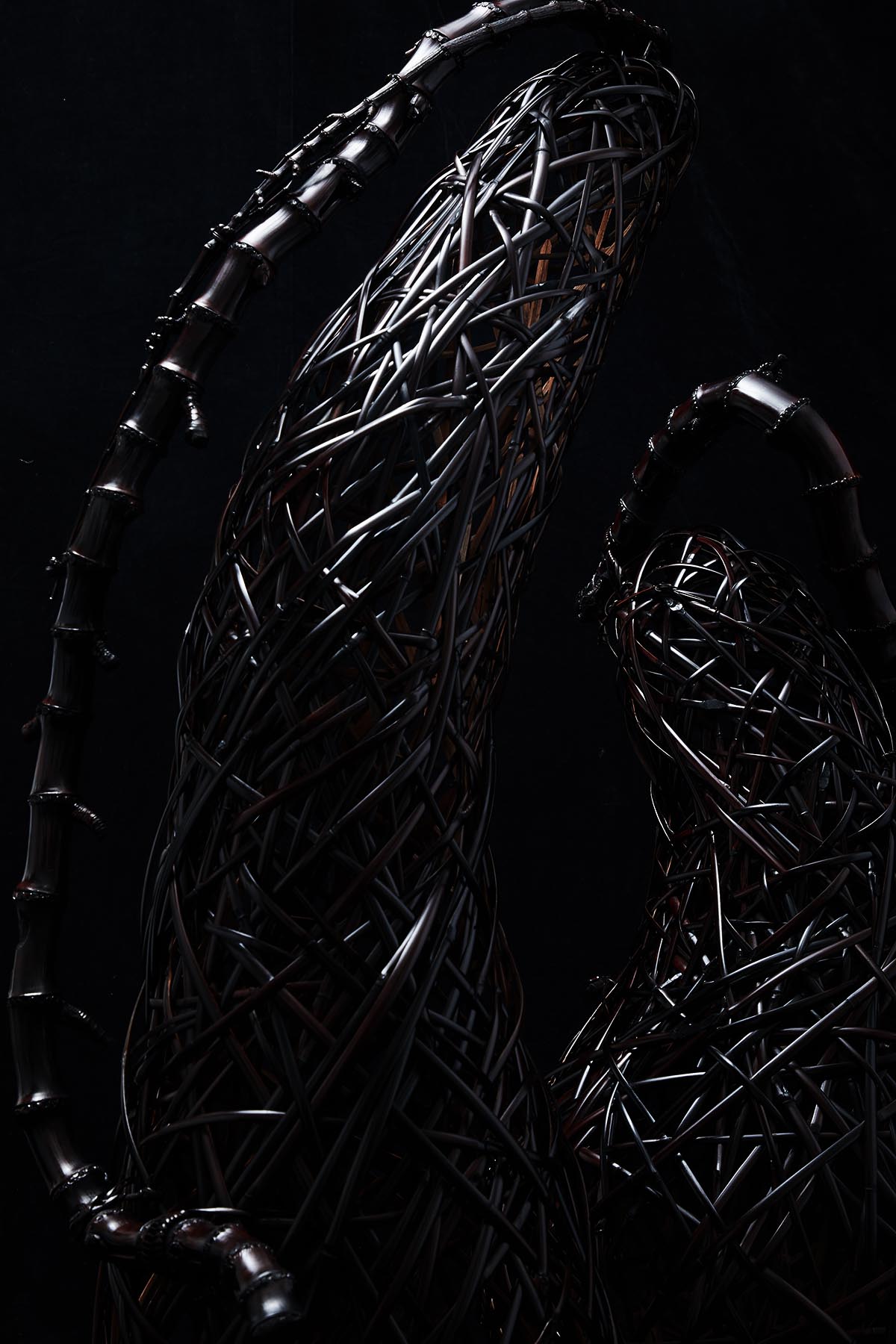
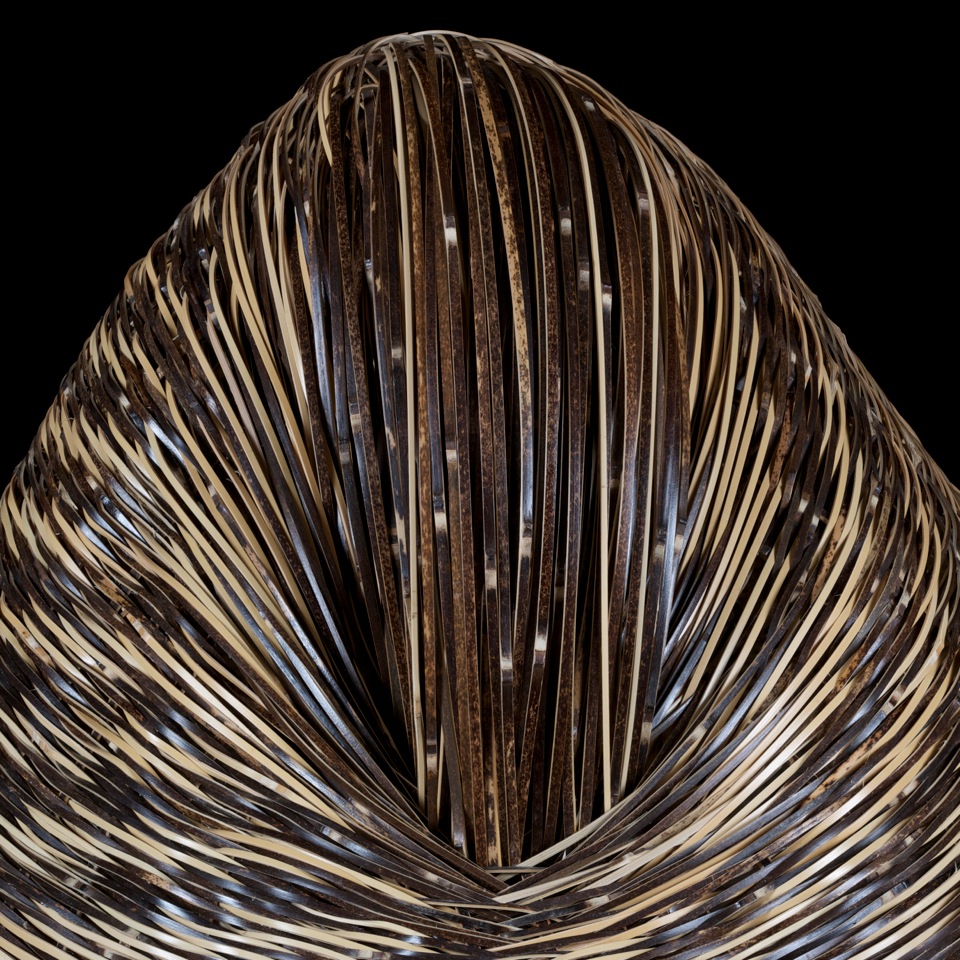
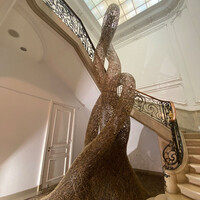
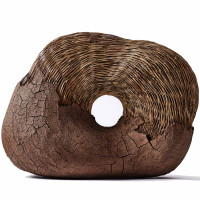
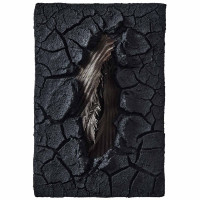
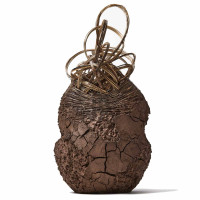
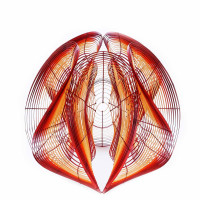
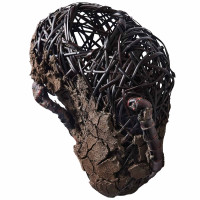
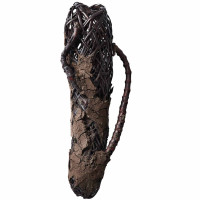
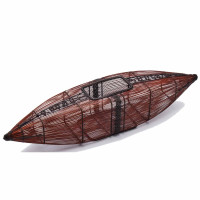
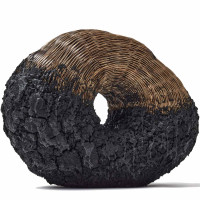
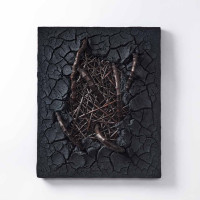
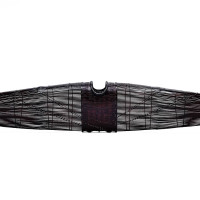
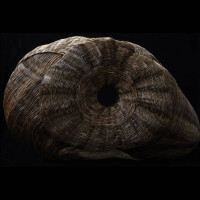
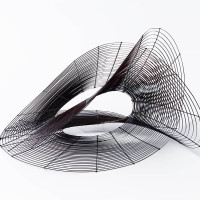
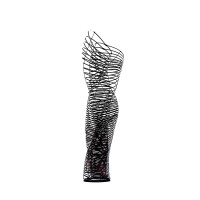
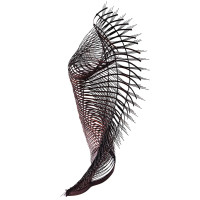
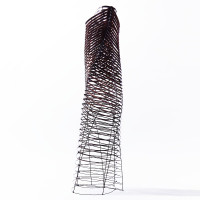
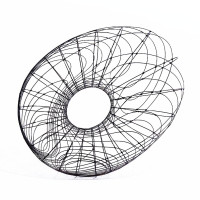
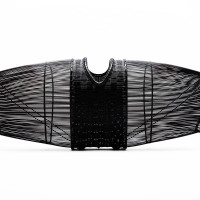
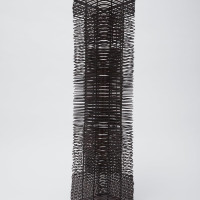
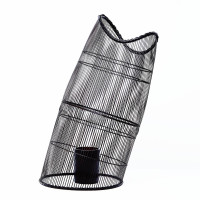
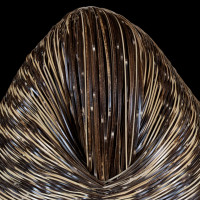
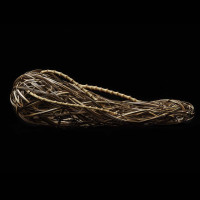
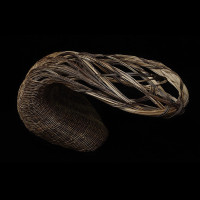
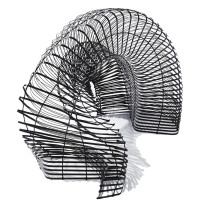
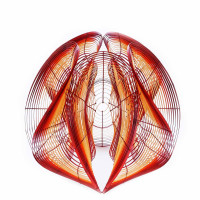
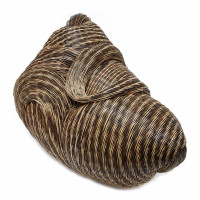
Alongside this practice, Tanabe Chikuunsai IV has developed a personal sculptural language freed from functional constraints. His contemporary works draw their forms from natural phenomena, processes of growth, geological forces, and the transformations of matter. He combines different varieties of bamboo, notably tiger bamboo (torachiku) and black bamboo (kurochiku), with other natural materials such as clay and urushi lacquer. Weaving thus becomes a means of constructing organic volumes whose lines appear to unfold under the influence of internal forces.
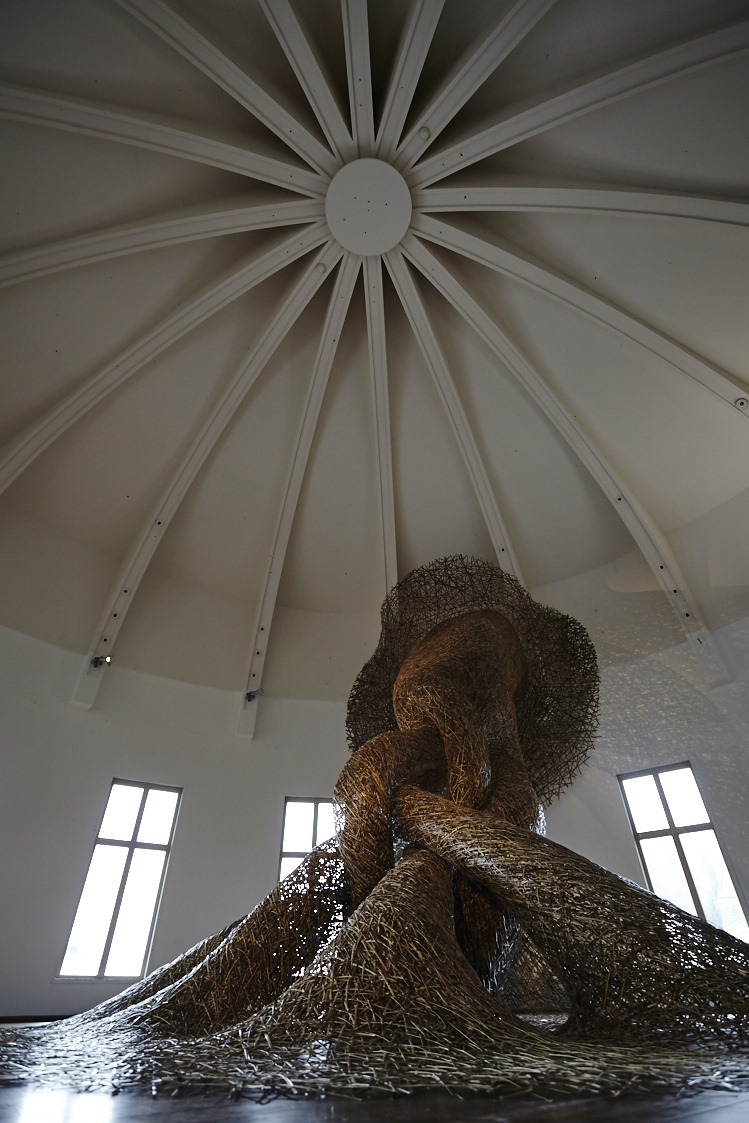
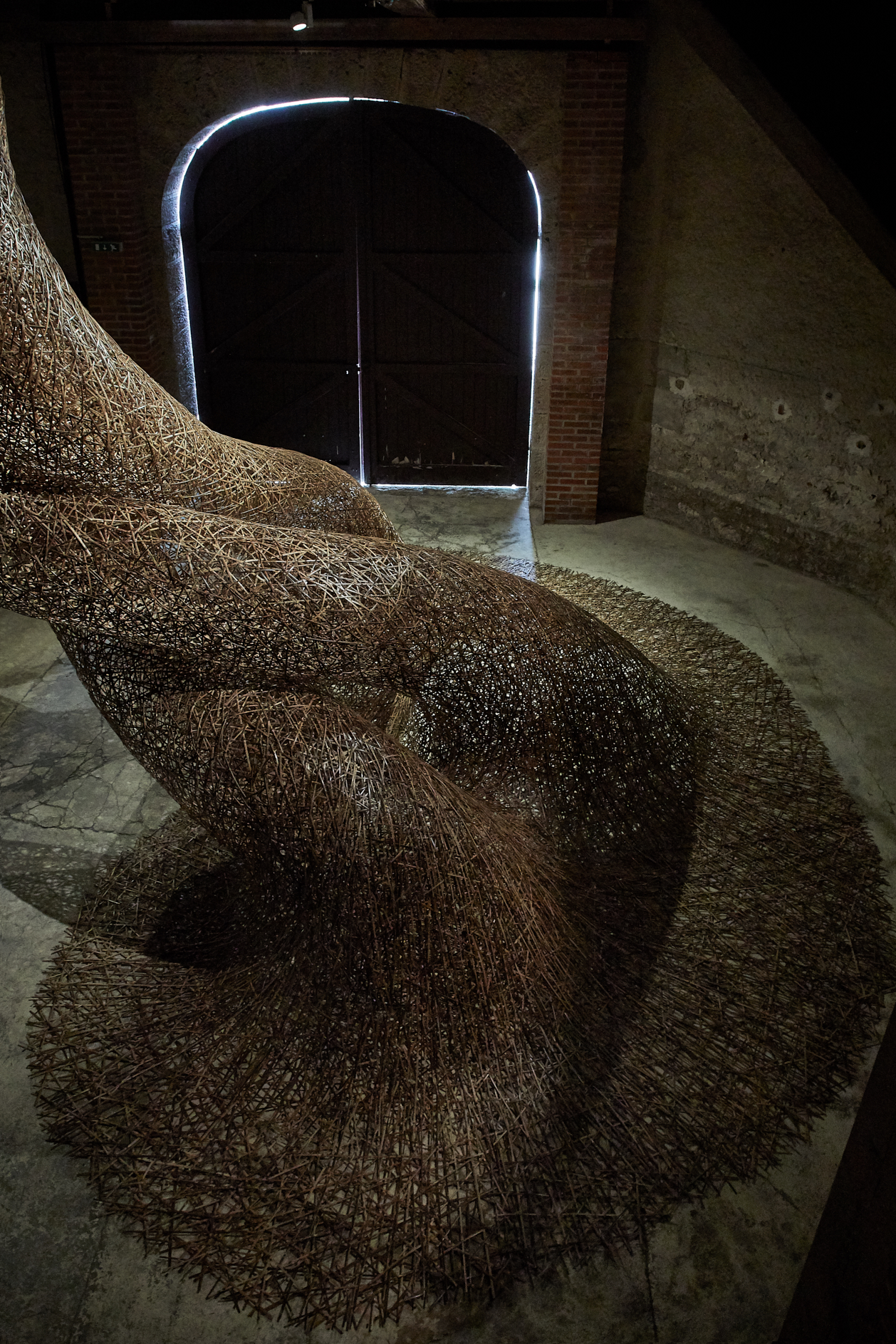
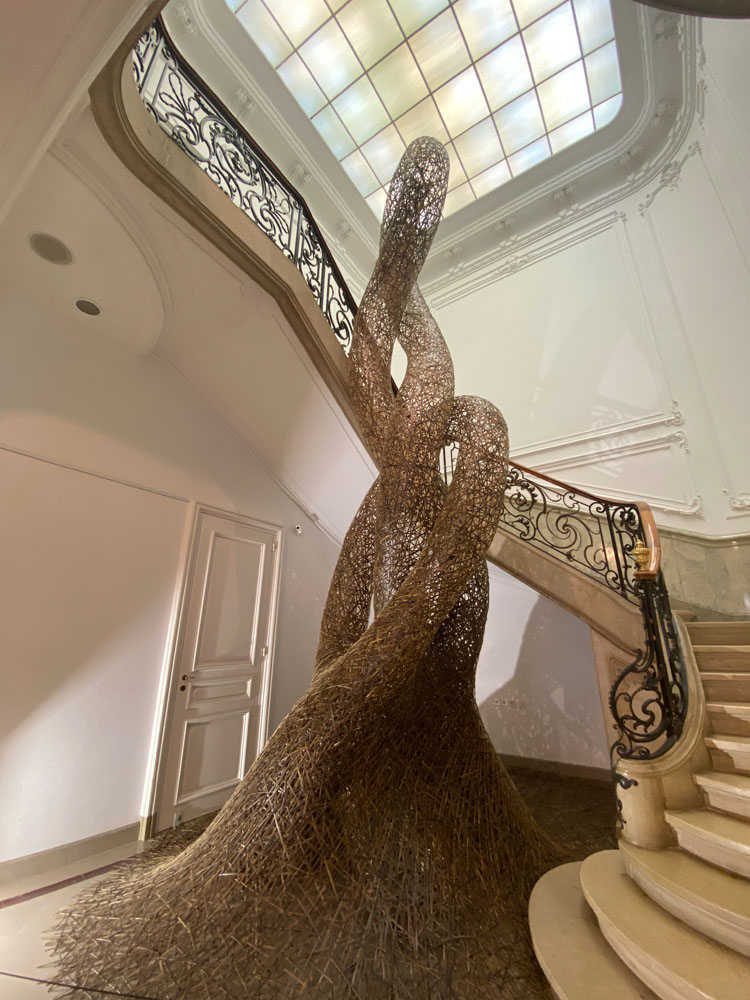
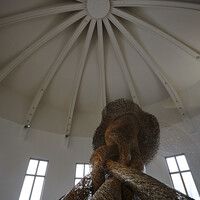
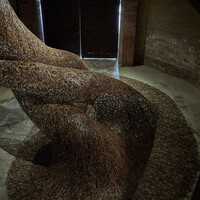
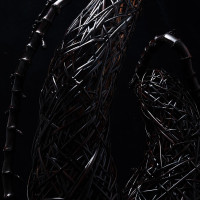
Since 2015, his monumental installations have brought him international recognition. Created from thousands of thin bamboo strips assembled by hand, these structures inhabit architectural spaces and transform the way they are perceived. Their forms evoke roots, currents, branching structures, or growing organisms. Often conceived specifically for their surroundings, they are also distinguished by their ephemeral nature: at the end of each exhibition, the bamboo is dismantled, recovered, and reused in new creations. This cycle of transformation is an essential aspect of his artistic approach.
His installations have notably been presented at the Musée national des arts asiatiques – Guimet in Paris (GODAI, 2016), the Metropolitan Museum of Art in New York (The Gate, 2017), the Domaine de Chaumont-sur-Loire (Connection – Origin, 2018), the Asian Art Museum in San Francisco (Connection, 2019), GINZA SIX in Tokyo (Infinity, 2020), the Fondation Baur in Geneva (In Praise of Light, 2022), and Japan House Los Angeles (2024).
Recipient of the prestigious Cotsen Bamboo Prize in 2007 and the Bavarian State Prize in 2010, Tanabe Chikuunsai IV was also awarded the inaugural Mingei Bamboo Prize in 2021, organised in partnership with the Musée national des arts asiatiques – Guimet in Paris.
His works are now held in numerous international public collections, including the Metropolitan Museum of Art in New York, the British Museum and the Victoria and Albert Museum in London, the Philadelphia Museum of Art, the Museum of Fine Arts, Boston, the Seattle Art Museum, the Asian Art Museum in San Francisco, the Musée national des arts asiatiques – Guimet, and the Musée du quai Branly – Jacques Chirac in Paris.
Selected Awards and Distinctions
2021 — Mingei Bamboo Prize, 1st Edition, in partnership with the Musée national des arts asiatiques – Guimet, Paris
2012 — Newcomer's Prize, 59th Exhibition of Japanese Traditional Art Crafts
2011 — Asahi Newspaper Prize, 13th Exhibition of Traditional Wood and Bamboo Art Crafts
2010 — Bavarian State Prize, Weaving Category, Germany
2007 — Cotsen Bamboo Prize, United States
2004 — Osaka Craft Exhibition Choice Award, All Kansai Art Exhibition
2004 — Sakai Art Association Prize
2002 — Yomiuri TV Prize, All Kansai Art Exhibition
2001 — Ōita Governor's Prize, Bamboo Craft Exhibition
2001 — Mayor's Prize, Sakai City Art Exhibition
2000 — Labor Ministry Prize, All Japan Technical Exhibition
1999 — Newcomer Prize, Sakai City Newcomer Exhibition
Selected Public Collections
France
Musée national des arts asiatiques – Guimet, Paris
Musée du quai Branly – Jacques Chirac, Paris
United Kingdom
British Museum, London
Victoria and Albert Museum, London
United States
Metropolitan Museum of Art, New York
Philadelphia Museum of Art, Philadelphia
Museum of Fine Arts, Boston
Seattle Art Museum, Seattle
Asian Art Museum, San Francisco
Minneapolis Institute of Art, Minneapolis
Morikami Museum and Japanese Gardens, Florida
Long Beach Museum of Art, California
Ruth and Sherman Lee Institute for Japanese Art
Clark Center for Japanese Art and Culture, California
Japan
Imperial Household Agency
Osaka City Crafts High School, Osaka
National Museum of Modern Art, Tokyo
South America
Museo Nacional de Arte, La Paz, Bolivia
Centro Cultural Peruano Japonés, Lima, Peru